


With the competitive New York City rental market, the state of an apartment when a tenant has left influences directly the speed with which it will be re-rented and at what rate. The cleaning of apartments after tenants is not only about a simple tidy-up but also an important measure of ensuring the safety of your investment, the conformity to health and safety requirements and making your property seem ready to move in. The unique challenges the NYC landlords have to face include high turnover rates, stringent building standards and very demanding tenants. The comprehensive and systematic cleaning process guarantees that there is compliance, vacancy time is minimized and disagreement over security deposit is avoided.
This detailed checklist is aimed at NYC landlords, property managers, and real estate investors who want a clear, step-by-step approach to post-tenant apartment cleaning. It provides a practical vision of how apartments should be cleaned after move-out to meet New York City rental standards and tenant expectations.
Each section explains what should be cleaned, why it matters, and which details should be handled carefully in today’s competitive NYC market. For owners who prefer a hands-off solution, partnering with a professional Apartment Cleaning service ensures every unit is cleaned thoroughly, efficiently, and ready for the next tenant without delays.
Effective Post-Tenant Apartment Cleaning should cover every room, appliance, fixture, and frequently touched surface. Following an organized process helps landlords avoid overlooked areas and ensures the apartment meets a consistent standard before showings, inspections, or a new tenant’s arrival.
Why Post-Tenant Cleaning Is Critical for NYC Landlords
The turnover of tenants is unavoidable, and it is not possible to have prolonged vacancy. Apartments can have some dirty spots, grease spots, dust and germs that were not evident before move-out, particularly in kitchens, bathrooms and HVAC.
Post-tenant cleaning helps landlords:
- Prepare units quickly for showings
- Maintain compliance with NYC housing and health regulations
- Protect flooring, fixtures, and appliances
- Justify security deposit deductions when applicable
- Enhance tenant satisfaction and long-term retention
The key to leasing in NYC rental market is a clean unit which can save weeks and days between leasing and cleaning units.
How Post-Tenant Cleaning Differs From Routine Apartment Cleaning
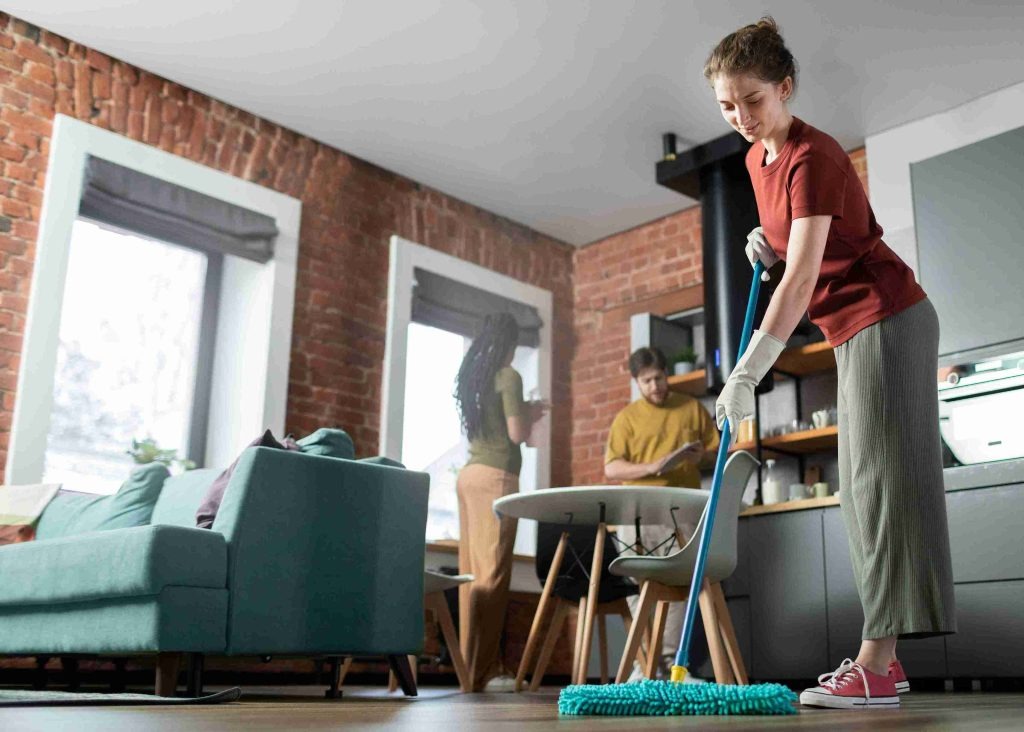
Routine Apartment Cleaning usually focuses on maintaining an occupied home through dusting, vacuuming, mopping, and sanitizing commonly used surfaces. Post-Tenant Cleaning is more detailed because the entire unit is empty and must be prepared for inspection, marketing, and occupancy by a new tenant.
The process includes areas that may not receive attention during regular cleaning, such as the interiors of cabinets, drawers, closets, appliances, window tracks, and spaces behind furniture. It may also involve removing stubborn grease, residue, odors, and marks left during the previous tenancy. This wider scope helps landlords present a clean and neutral apartment to prospective renters.
Pre-Cleaning Preparation and Inspection
Any successful post-tenant cleanup is established by a thorough inspection before a single inch of cleaning has commenced. Visit each room of the apartment and record the condition of the place using photos and notes. This assists in determining the areas that may need deep cleaning, repairs or replacement and assist in deductions of security deposits in case of necessity.
Inspection Steps:
- Photograph all rooms for documentation
- Note excessive dirt, stains, or damage
- Check appliances for grease or mold
- Inspect floors for scratches or residue
- Identify pest activity or odors
In this phase, all personal property abandoned by the tenant must be cleared, as per the NYC requirements of abandoned property. Inspect apparent damage, pest or rodent infestation, molding, or excessive grease, particularly in kitchens and bathrooms. Switch off the utilities where necessary and make sure that there is good ventilation before commencing the cleaning process. A documented inspection will avoid missed tasks, and will help cover every area to be carried out.
When Should Move-Out Cleaning Begin?
Move-Out Cleaning should begin after the previous tenant has removed personal belongings and the landlord has completed the initial condition inspection. Starting too early can result in cleaners working around boxes, furniture, or repair crews, which may cause areas to be missed or cleaned more than once.
Landlords should coordinate cleaning with painting, maintenance, pest control, and appliance repairs. Dust-producing repairs should usually be completed before the final cleaning. Once the major work is finished, the apartment can be cleaned from top to bottom and prepared for photography, viewings, or the next tenant’s move-in date.
General Apartment Cleaning Standards
The quality of every post-tenant cleaning should be of the same standard within the whole apartment. Begin with cleaning the surfaces including dust, dirt and debris. This consists of the walls, ceilings, baseboards, doors and light fixtures. The presence of dust in NYC apartments may be significant because of the quality of air in cities, and intensive dusting is mandatory.
Everything should be cleaned out of the unit including things that are in the closets, cabinets, and under sinks. The floors must be vacuumed and mopped, the windows wiped down and the switches and outlets as well sanitised. These cleaning base line procedures provide a fresh clean environment that will be appealing to both the potential tenants and the inspectors.
Kitchen Cleaning Checklist
The kitchen is also one of the most inspected parts of a rental apartment, particularly in NYC where hygiene is of high expectation among the tenants. Sort out all the cabinets and drawers, washing them out and wiping them off. The exterior of the cabinets are to be sponged clean to exclude fingerprints and stains.
Kitchen Cleaning Tasks:
- Deep clean inside and outside of all appliances
- Degrease stovetops, range hoods, and backsplashes
- Clean oven interiors and drip pans
- Sanitize refrigerator shelves, drawers, and seals
- Scrub sinks, faucets, and drains
- Clean inside cabinets and drawers
- Remove grease buildup from walls and tiles
- Disinfect countertops and food prep areas
- Mop floors with degreasing solutions
Countertops are to be disinfected and thoroughly cleaned with a particular focus on seams and edges. Wash basin, tap and garbage disposal to remove smell and accumulation. An immaculate kitchen indicates a well-maintained and well-tended one.
Bathroom Deep Cleaning Requirements
Bathrooms are sensitive areas which need thorough cleaning because of dampness, bacteria and mineral deposits. Begin with cleaning all the surfaces, sinks, toilets, bathtubs, and showers. Eliminate tiles, grouts, and hard water on tiles, grout, and fixtures.
Bathroom Cleaning Tasks:
- Scrub and disinfect toilets, inside and out
- Deep clean tubs, showers, and grout lines
- Remove soap scum, mold, and mildew
- Clean mirrors, vanities, and storage areas
- Disinfect sinks, faucets, and handles
- Clean exhaust fans and vents
- Mop floors and sanitize baseboards
Living Room and Bedroom Cleaning
Living rooms and bedrooms should be neutral and neat and look like they are ready to be occupied at all times. The walls must be cleaned at the spots where there are scuffs, fingerprints, and marks. In a case where there are extensive spots of stains or discoloration of paint on the walls, then this can be a pointer that after cleaning, to be repainted.
Cleaning Tasks:
- Dust all surfaces, including baseboards, vents, and ceiling corners
- Wipe walls to remove scuff marks and fingerprints
- Clean light fixtures, switches, and outlets
- Vacuum carpets thoroughly or schedule steam cleaning
- Mop hardwood or tile floors with residue-free cleaners
- Clean windows, frames, and tracks
- Remove cobwebs and allergens from corners
Floor Cleaning and Surface Care
The condition of the flooring is also a major influence of the perceived apartment value. Floors made of hard wood are to be swept, mopped with proper cleaners and also polished when there is need. Use of too much water should be avoided because it will ruin wood in the long run.
The tile floors should be cleaned by scrubbing and scrubbing the lines of grouts to eliminate discoloration. Having carpets, minimum capital should be invested to ensure that they are vacuumed, however, it is usually considered best practice to clean them professionally by steaming between tenancies to ensure that all deep-set dirt, allergens, and odors are removed.
Flooring Checklist:
- Vacuum carpets edge-to-edge
- Shampoo or steam clean stained carpets
- Polish or buff hardwood floors if needed
- Remove adhesive residue or wax buildup
- Scrub tile and grout lines
- Repair minor scratches or chips
Clean floors enhance indoor air quality and create a strong first impression during showings.
Appliance and Fixture Detailing
Appliances and fixtures often reveal whether a landlord has invested in proper turnover cleaning. Light fixtures, ceiling fans, and HVAC vents should be dusted and wiped clean. Replace burned-out bulbs and ensure fixtures are free from insects or debris.
Washers and dryers, if provided, must be cleaned inside and out, including lint traps and detergent drawers. Ensure all fixtures operate properly after cleaning. Well-maintained appliances reduce maintenance calls and increase tenant satisfaction.
Walls, Doors, and High-Touch Areas
Walls and doors accumulate oils, marks, and germs over time. Clean all door surfaces, handles, and frames. High-touch areas such as light switches, intercom panels, thermostats, and remote controls should be disinfected thoroughly.
In NYC buildings, shared-wall units may also collect dust near vents and radiators, which should be cleaned carefully. Addressing these details demonstrates professionalism and attention to health standards.
Odor Removal and Air Quality Improvement
Lingering odors from cooking, smoking, pets, or trash can deter potential tenants instantly. After cleaning, assess the apartment for any remaining smells. Use deodorizing treatments rather than masking scents with strong fragrances.
Air Quality Cleaning Tasks:
- Replace HVAC filters
- Vacuum vents and registers
- Deodorize carpets and upholstery
- Neutralize odors using professional treatments
- Check for mold or moisture issues
Clean HVAC filters, open windows to ventilate, and consider odor-neutralizing products if necessary. In severe cases, professional ozone or enzyme treatments may be required. Fresh-smelling apartments rent faster and photograph better for listings.
Pest Prevention and Sanitation Measures
NYC landlords must be proactive about pest prevention between tenants. Cleaning plays a vital role in removing food sources and nesting areas for pests. Pay special attention to kitchens, under sinks, and storage areas.
Seal cracks, clean behind appliances, and ensure trash is completely removed. While cleaning does not replace extermination, it supports pest control efforts and helps meet local health standards.

How to Use an Apartment Cleaning Checklist Effectively
An Apartment Cleaning Checklist should follow the same order in which the work will be completed. Begin with inspection and removal of abandoned items, then proceed to high surfaces, fixtures, appliances, cabinets, bathrooms, flooring, and the final quality check. Working from top to bottom prevents dust from falling onto surfaces that have already been cleaned.
The checklist should include a space for notes, photographs, repair requirements, and final approval. Property managers responsible for multiple units can use the same core checklist while adding tasks based on the apartment’s size, flooring, appliances, and previous condition. A structured record improves consistency and makes it easier to confirm that every task has been completed.
Final Walkthrough and Quality Check
Once cleaning is complete, conduct a final walkthrough using your checklist. Verify that every room meets cleanliness standards and that no areas were missed. This is the time to correct small issues before marketing the apartment.
Final Steps:
- Remove all trash and debris
- Disinfect high-touch surfaces
- Perform final walkthrough cleaning
- Apply optional disinfectant or antimicrobial treatments
- Prepare unit for inspection or photography
A final inspection ensures consistency, protects your reputation, and reduces tenant complaints after move-in. Document the finished condition with photos for your records.
Professional Cleaning vs. In-House Cleaning in NYC
Many NYC landlords debate whether to use in-house staff or hire professional cleaning services. Professional cleaners bring specialized tools, checklists, and experience with NYC apartments of all sizes. They also understand time constraints and building regulations.
While in-house cleaning may reduce immediate costs, professional post-tenant cleaning often saves time, ensures higher standards, and reduces turnover delays. Choosing the right approach depends on property size, turnover frequency, and budget.
What a Professional Apartment Cleaning Service Can Handle
A professional Apartment Cleaning Service can manage the detailed work required between tenancies, including kitchens, bathrooms, floors, appliances, windows, fixtures, high-touch areas, and odor-related concerns. Trained cleaners also follow an organized sequence, which helps prevent missed tasks and supports a consistent result throughout the unit.
Professional Apartment Cleaning may be particularly helpful for heavily soiled units, large apartments, short turnover periods, or landlords managing several properties. Before hiring a provider, confirm the cleaning scope, required completion time, equipment used, and whether services such as carpet cleaning, window cleaning, or odor treatment are included in the estimate.
Legal and Market Considerations for NYC Landlords
NYC housing laws and tenant expectations make cleanliness more than a courtesy—it is a business necessity. Apartments must meet habitability standards, and poor cleaning can lead to disputes or delayed rentals.
A professionally cleaned unit supports fair security deposit deductions and protects landlords during inspections or tenant claims. In a city where online reviews and referrals matter, clean apartments strengthen your brand as a responsible landlord.
Conclusion
A detailed post-tenant apartment cleaning checklist is one of the most valuable tools New York City landlords can use to protect their investment and speed up apartment turnovers. In a fast-moving NYC rental market, deep and professional cleaning helps reduce vacancy time, boosts tenant satisfaction, and preserves long-term property value.
By following a thorough checklist—or by working with a trusted local service like Brye A+ Cleaning in New York, United States—you can ensure every apartment is move-in ready, compliant, and appealing. Clean apartments rent faster, attract higher-quality tenants, and support consistent rental income across NYC’s competitive neighborhoods.
Frequently Asked Questions
What does Post-Tenant Apartment Cleaning include?
Post-Tenant Apartment Cleaning generally covers kitchens, bathrooms, floors, appliances, cabinets, windows, fixtures, and frequently touched surfaces. The precise scope depends on the apartment’s condition and whether specialized services such as carpet cleaning or odor treatment are required.
When should landlords schedule Post-Tenant Cleaning?
Landlords should schedule Post-Tenant Cleaning after the tenant removes all belongings and necessary repairs are completed. Cleaning at this stage prevents repair dust from contaminating finished surfaces and prepares the apartment for photography, inspections, showings, and the next tenant.
Is Move-Out Cleaning different from regular Apartment Cleaning?
Yes. Move-Out Cleaning is more detailed than routine Apartment Cleaning because it covers areas that are often inaccessible in an occupied home. These may include appliance interiors, empty cabinets, closets, window tracks, baseboards, and spaces previously hidden by furniture.
Why should landlords use an Apartment Cleaning Checklist?
An Apartment Cleaning Checklist helps landlords and cleaners follow a consistent process without overlooking important areas. It can also document the unit’s condition, identify repair needs, support a final quality inspection, and ensure the apartment is ready for occupancy.
Should landlords hire a professional Apartment Cleaning Service?
A professional Apartment Cleaning Service is helpful when an apartment is heavily soiled, must be prepared quickly, or requires specialized equipment. Professional cleaners can follow a detailed checklist and manage different surfaces while helping landlords reduce delays between tenancies.