


New York is a city with a fast-paced life, limitless opportunities, and the energy of life. Nonetheless, with these benefits come some special challenges, especially in matters of indoor air quality. A lot of people living in NYC have been having allergy symptoms all year long without even knowing that it is actually the culprit of their pain, lying within their apartments.
New York City apartments face unique allergen challenges because of dense living, aging buildings, and constant exposure to urban pollution. The apartments in NYC tend to be smaller, older, and more densely populated compared to suburban houses. Common walls, heavy foot traffic, older ventilation systems, and nonstop city pollution all increase allergen buildup indoors. Because of this, it is important to understand these allergens and the need for deeper, more detailed cleaning to create a healthier living space in the city.
Dust mites often hide in carpets and upholstery, mold can grow in bathrooms and kitchens, and cockroach allergens are common in shared buildings. In addition, pet dander and seasonal pollen from nearby parks can lower indoor air quality. A professional Apartments cleaning service goes beyond basic cleaning by targeting these allergens at their source, not just on the surface.
For New Yorkers dealing with allergies, asthma, or breathing discomfort, regular deep cleaning can make a noticeable difference. A properly cleaned apartment feels fresher, safer, and easier to breathe in. In a fast-moving city like New York, having a clean and healthy home truly improves everyday life.
A structured allergen removal cleaning NYC plan addresses the surfaces and hidden areas where dust, dander, pollen, and pest-related particles collect. Instead of focusing only on appearance, this approach helps reduce the amount of allergen-containing debris that remains inside the apartment.
Why Allergens Are So Common in NYC Apartments
The NYC apartments are especially vulnerable to allergens because of a set of structural and environmental factors. There are numerous structures, which have been built decades ago and are still using the old-fashioned plumbing and ventilation systems. These systems tend to trap moisture, dust, and pollutants, which provides the optimum conditions to grow allergens.
High Indoor Humidity from Poor Insulation and Steam Heating
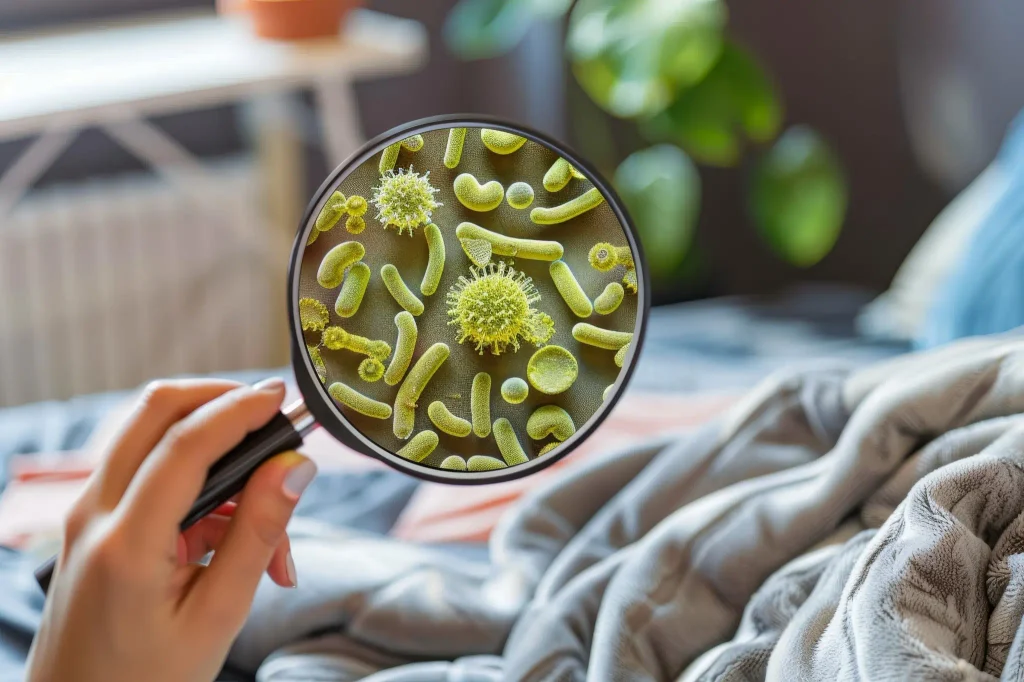
Lack of proper insulation and the use of steam heating systems increase indoor humidity levels, creating ideal conditions for the growth of dust mites and mold inside apartments.
Allergen Buildup in Carpets and Upholstered Furniture
Wall-to-wall carpeting and upholstered furniture trap dust and microscopic particles that cannot be effectively removed through routine cleaning methods, allowing allergens to accumulate over time.
Shared HVAC Systems and Cross-Unit Allergen Spread
Common heating and cooling systems circulate air across multiple units, spreading allergens throughout the building and increasing overall exposure for residents.
Why Professional Deep Cleaning Is Essential
These combined factors make allergen control difficult without specialized tools and techniques. Professional deep cleaning is often the only effective way to manage indoor allergens and maintain healthy living conditions.
How Allergen Removal Cleaning Targets Hidden Buildup
Professional allergen removal cleaning NYC should cover more than exposed floors and countertops. Allergens frequently collect along baseboards, behind furniture, inside window tracks, around radiators, on fabric surfaces, and near ventilation registers. These areas may continue releasing particles into the apartment when they are disturbed.
A detailed cleaning process generally works from high surfaces downward so that loosened dust can be collected from lower areas afterward. HEPA-filtered vacuuming, damp wiping, appropriate fabric cleaning, and careful attention to corners can help remove particles without repeatedly spreading them through the air.
Dust Mites: The Most Common Indoor Allergen
One of the causes of indoor allergies in NYC apartments is dust mites. These microscopic organisms feed on the cells of the dead skin and they live well in the warm and humid climates. Many residents do not know they exist since they cannot be seen physically. Even though dust mites do not bite or sting, their waste is very potent as an allergen, which may cause sneezing, nasal congestion, itchy eyes, coughing, eczema flare-ups, and asthma symptoms and especially at night.
Mattresses, pillows, bedding, blankets, carpets, area rugs, upholstered furniture, curtains and drapes are the most common places where dust mites are found. Dust mites breed quickly due to the small size of NYC apartments and the lack of air circulating in bedrooms, which is actually uncommon in the city.
Deep cleaning is an essential part of mites eradication since it involves the application of HEPA-filter vacuuming to take microscopic dust, steam cleaning to eliminate mites with high temperatures, and deep cleaning of mattresses and upholstery to eliminate embedded allergens. Deep cleaning also eliminates dust mites, as opposed to redistributing them into the air, as in the case of normal vacuum.
Mold and Mildew: An Unnoticed Health Risk
Mold and mildew are major contributors to indoor allergens in NYC apartments, particularly in older buildings. These organisms thrive in dark, damp environments with limited air circulation, making certain areas far more vulnerable than others. Apartments with aging infrastructure often experience conditions that allow mold to grow unnoticed for long periods.
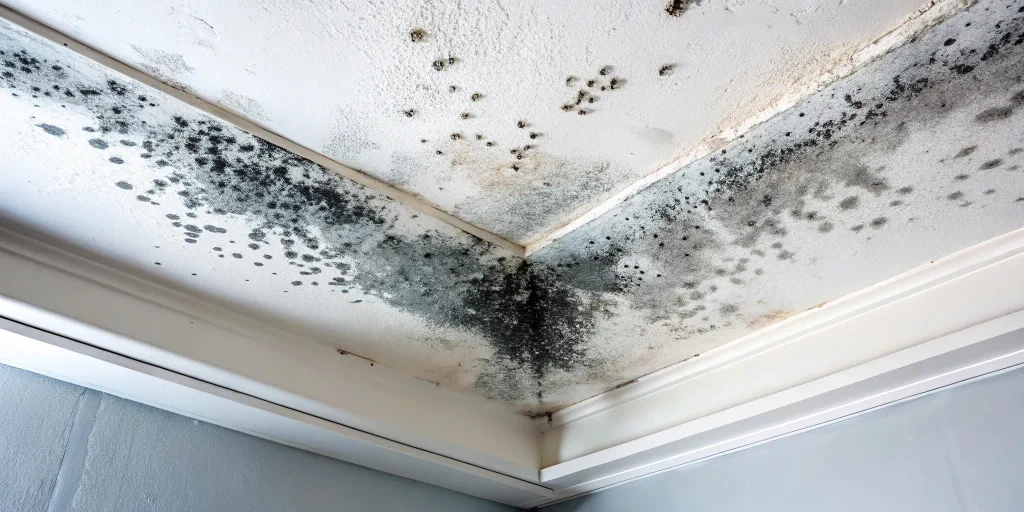
Common factors that encourage mold growth include:
- Leaky or aging plumbing systems
- Condensation buildup on windows during winter
- Excess humidity from steam heating systems
- Poor ventilation in bathrooms and kitchens
- Ground-floor units and basements with limited airflow
Exposure to mold spores can trigger a wide range of health issues, especially for sensitive individuals. Children, seniors, and people with respiratory conditions or weakened immune systems face a higher risk of long-term complications.
Pet Dander: Pets Without Pet Allergens:
Most NYC residents are caught off guard when they find out that pet dander may exist in apartments even in those cases when they do not own pets. Animals like cats and dogs shed microscopic skins from the skin which make up pet dander. These particles are very light and they can take long durations in the air.
Health Effects of Pet Dander Exposure
Pet dander is a common trigger for allergic reactions, causing symptoms such as sneezing, nasal congestion, itchy or watery eyes, breathing difficulty, and asthma attacks—especially in sensitive individuals.
Removing Pet Dander Through Deep Cleaning
Deep cleaning is highly effective in reducing pet dander by targeting areas where it settles and accumulates. This includes HEPA-filter vacuuming of carpets and rugs, deep cleaning of upholstered furniture, washing baseboards and vents, and sanitizing fabric surfaces. Such thorough cleaning is especially important during tenant turnover or before introducing pets into the apartment.
What Deep Cleaning for Allergies Should Include
Deep cleaning for allergies should begin with an assessment of the apartment’s surfaces, fabrics, moisture-prone areas, and ventilation points. Bedrooms often require close attention because mattresses, bedding, rugs, curtains, and upholstered furniture can hold dust mites, pet dander, and other particles.
Kitchens and bathrooms should be inspected for moisture, mold, food residue, and pest-related contamination. Other important areas include window frames, air vents, radiator covers, shelving, ceiling fans, and the spaces under large appliances. Cleaning these areas creates a more complete result than routine dusting and mopping.
Cockroach Allergens: A Serious Urban Concern
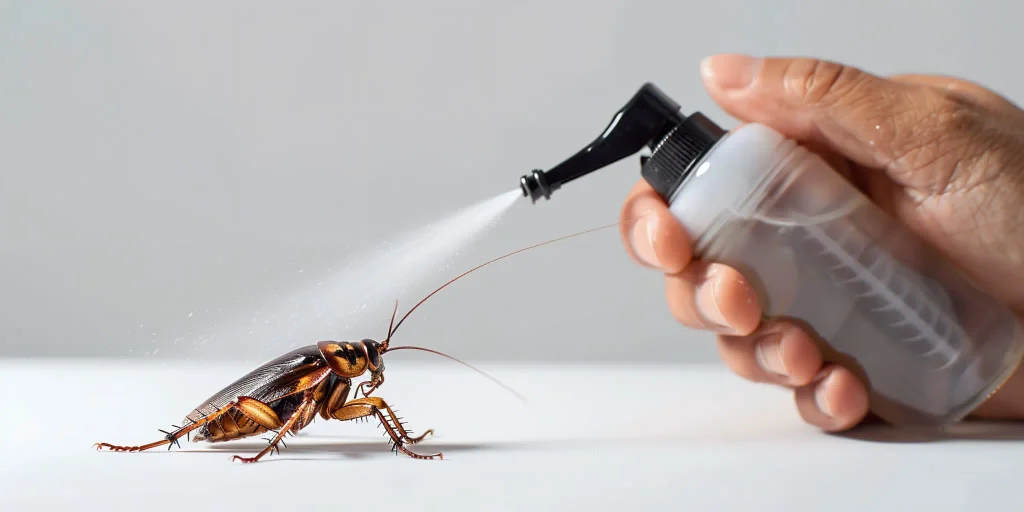
Cockroach allergens are among the most dangerous and overlooked triggers in NYC apartments. Older multi-unit buildings provide ideal conditions for cockroaches due to shared walls and plumbing, cracks in floors and cabinets, easy access to food waste, and warm, humid indoor environments. Even well-maintained apartments can be affected because cockroaches often travel between neighboring units.
Cockroach allergens come from droppings, saliva, and shed body parts. These particles can become airborne and are strongly linked to asthma, especially in children. Cockroach allergens typically accumulate in kitchens, pantries, under appliances, inside cabinets, and along baseboards.
Deep cleaning is essential for reducing cockroach allergens by removing grease and food residue, sanitizing cabinets and storage areas, and cleaning under and behind appliances. While pest control addresses infestations, deep cleaning eliminates the allergen particles left behind.
Outdoor Pollution and Pollen Inside NYC Apartments
Living indoors does not protect residents from outdoor allergens in New York City. Pollen, vehicle exhaust, construction dust, and industrial pollution easily enter apartments through open windows, balconies, shoes, clothing, pets, and HVAC systems. These outdoor contaminants contribute to ongoing indoor allergy problems.
Indoor exposure to outdoor allergens can cause year-round allergy symptoms, sinus pressure, headaches, fatigue, irritation, and worsening asthma. Deep cleaning improves indoor air quality by removing particles trapped in carpets, cleaning window sills and frames, dusting vents and fans, and washing or vacuuming curtains. These measures reduce the circulation of airborne allergens throughout the apartment.
When to Schedule Allergy-Friendly Apartment Cleaning
Allergy-friendly apartment cleaning may be useful during seasonal changes, after construction work, following pest treatment, during tenant turnover, or before moving into an apartment previously occupied by pets. Cleaning may also be considered when dust quickly returns after routine cleaning or allergen-containing debris has accumulated in fabrics and hidden areas.
The appropriate schedule depends on occupancy, pets, ventilation, flooring, outdoor pollution, and household sensitivities. Regular maintenance between detailed cleanings can include laundering bedding, vacuuming with a suitable filter, controlling moisture, cleaning entry areas, and replacing HVAC filters when required.
Why Everyday Cleaning Is Not Enough
Several NYC residents wash their apartments regularly but still have allergy symptoms due to the fact that daily washing is aimed at getting rid of the visible dirt only. Allergens are allergenic substances and are mostly deep-rooted in fabrics and concealed locations. Normal cleaning, like the use of a non-HEPA vacuum, air dusting, and cleaning of carpet or upholstery, is not adequate.
Vents, baseboards, and corners are some of the important areas that are left ignored.
Deep cleaning covers the entire apartment, eliminating allergens in places that cannot be covered in regular cleaning. Deep cleaning is more long-lasting because it eliminates the causes of allergens.
Choosing an Allergy Cleaning Service in NYC
An allergy cleaning service NYC provider should explain which rooms, surfaces, and fabric areas are included in the service. Residents should ask whether cleaners use HEPA-filtered equipment, damp-dusting methods, appropriate products, and separate tools for bathrooms, kitchens, and living areas.
A professional allergen cleaning service should also consider the apartment’s layout and specific sources of buildup rather than applying the same process to every property. When arranging apartment deep cleaning NYC, request a clear scope of work and identify concerns such as pets, mold-prone areas, carpeting, recent renovation dust, or pest activity.
Final Thoughts
New York City apartments face unique allergen challenges because of dense living, older buildings, and constant exposure to city pollution. Dust mites settle deep in carpets, mold often forms in bathrooms and kitchens, and cockroach allergens are common in shared buildings. In addition, pet dander and seasonal pollen from nearby parks can affect indoor air quality. Because of these factors, deep cleaning is essential to remove allergens from their source, not just from the surface.
For New Yorkers who struggle with allergies, asthma, or breathing issues, regular deep cleaning can turn an apartment into a healthier and more comfortable space. A clean home feels fresher, safer, and easier to live in. In a city that never slows down, having a clean and breathable apartment truly improves daily life.
Frequently Asked Questions
What does allergen removal cleaning NYC include?
Allergen removal cleaning NYC focuses on reducing dust, pollen, pet dander, mold particles, and pest-related residue. It generally covers carpets, upholstery, mattresses, curtains, vents, baseboards, floors, furniture, and other areas where indoor allergens commonly accumulate.
How is deep cleaning for allergies different from regular cleaning?
Deep cleaning for allergies addresses embedded particles and overlooked areas instead of cleaning only visible dirt. It may include HEPA-filtered vacuuming, damp dusting, upholstery cleaning, mattress cleaning, and detailed work around vents, appliances, baseboards, and furniture.
When should I schedule apartment deep cleaning NYC services?
Apartment deep cleaning NYC services may be scheduled during seasonal allergy periods, after renovation work, following pest treatment, during tenant turnover, or after moving into a property previously occupied by pets. The frequency depends on the apartment’s condition and occupancy.
What should I ask before hiring an allergen cleaning service?
Before hiring an allergen cleaning service, ask which rooms and surfaces are included, what equipment will be used, and whether carpets, upholstery, mattresses, vents, curtains, and areas behind appliances are covered. You should also request a clear written service scope.
How do I choose an allergy cleaning service NYC residents can trust?
When comparing an allergy cleaning service NYC, check its cleaning process, experience, customer reviews, equipment, and pricing. A reliable provider should explain how it addresses common allergens and customize the cleaning plan according to the apartment’s condition and household sensitivities.
Can allergy-friendly apartment cleaning remove every allergen?
Allergy-friendly apartment cleaning can significantly reduce common indoor allergens, but it cannot prevent new particles from entering. Regular vacuuming, moisture control, clean HVAC filters, washed bedding, reduced clutter, and appropriate pest management can help maintain the results.