




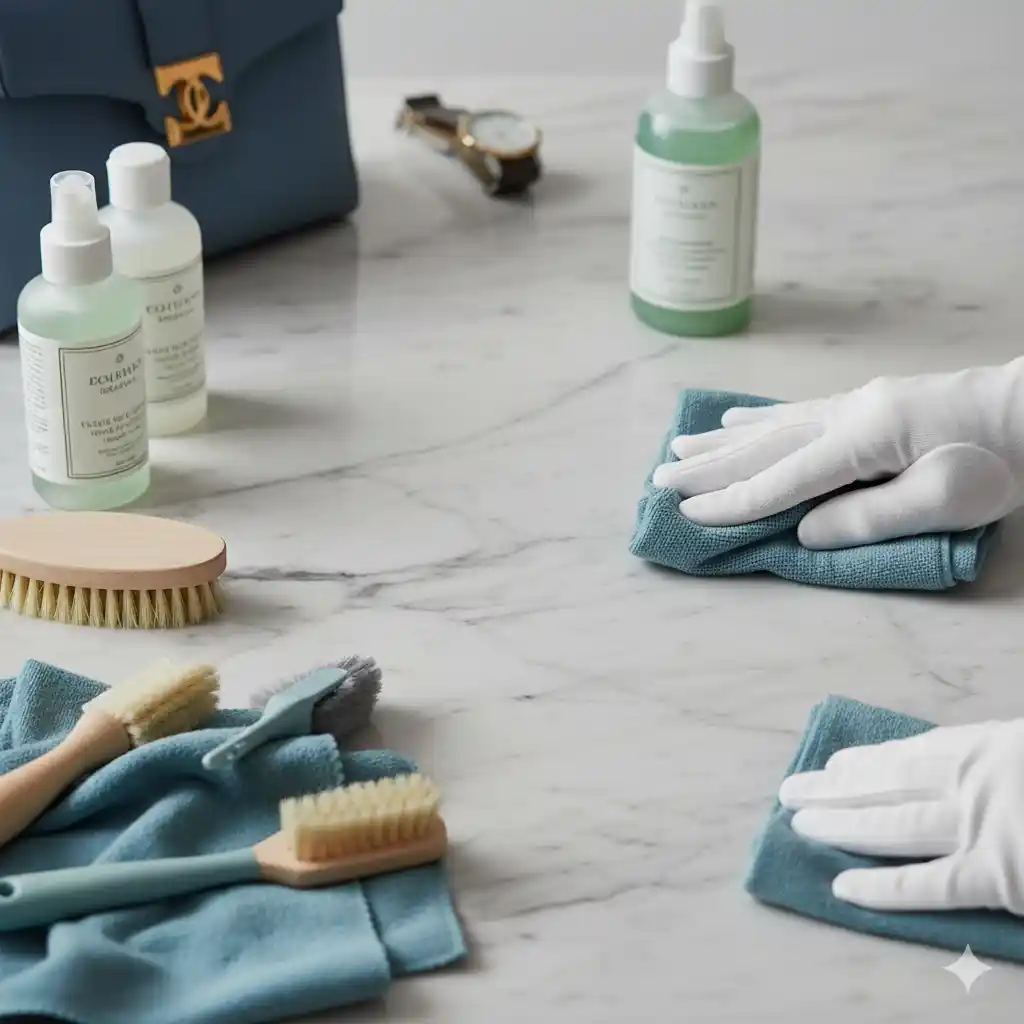
Luxury surfaces like marble countertops, granite tiles, quartz vanities, or hardwood floors bring beauty and elegance to any home. Their shine and smoothness instantly make a space look expensive and well-designed. However, keeping these surfaces looking as good as new requires special care. If you clean them the wrong way or use harsh chemicals, their finish can fade, scratch, or lose its charm over time.
To help you protect your investment, here are expert cleaning and maintenance tips that will keep your luxury surfaces shining for years.
Types of Luxury Surfaces and How They Differ
Before you begin cleaning, it’s important to know what kind of surface you’re dealing with. Each material has different needs and reacts differently to cleaning products.
1. Marble
Marble is a natural stone that looks luxurious but is also soft and porous. It can easily absorb liquids and get stained. Acidic substances like lemon juice or vinegar can dull its shine or leave marks.
2. Granite
Granite is one of the most durable natural stones, but it still needs care. It can resist heat and scratches, but unsealed granite can absorb oils and liquids, leading to stains.
3. Quartz
Quartz is an engineered stone that combines natural quartz with resins. It is non-porous, which means it resists staining and doesn’t require sealing. However, it can be damaged by very high heat or abrasive cleaners.
4. Hardwood
Hardwood floors or countertops bring warmth and beauty to any room. But they can be damaged by excess moisture, scratches, and harsh cleaning agents.
5. Stainless Steel
Stainless steel adds a modern, sleek look to kitchens. It’s strong but prone to fingerprints, smudges, and sometimes rust if not cared for properly.
Daily Cleaning Tips for Luxury Surfaces
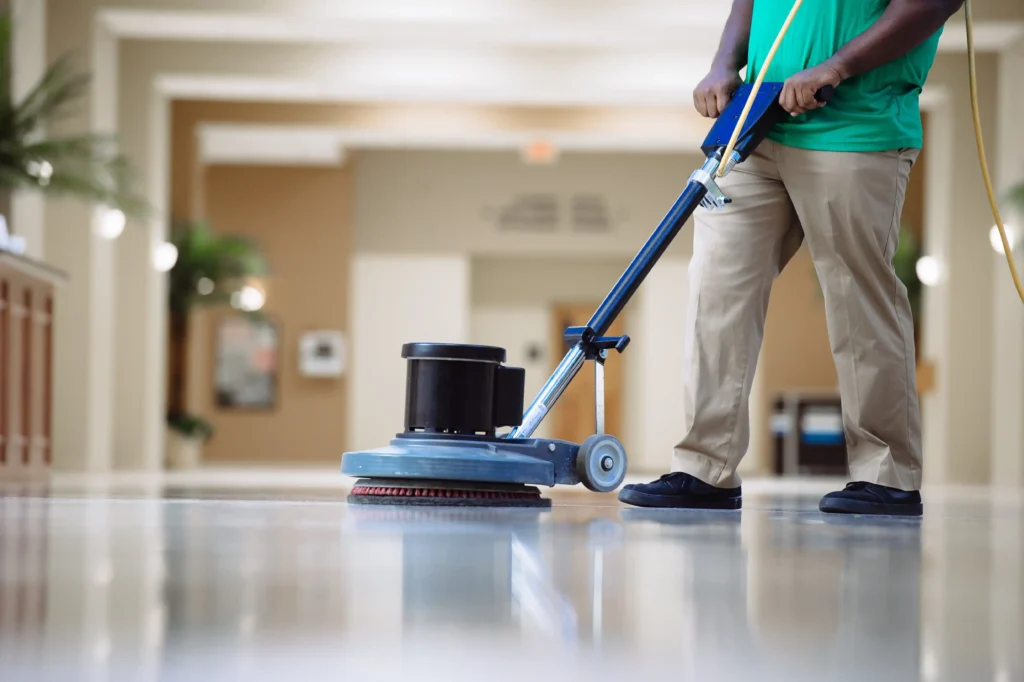
To keep your luxury surfaces looking beautiful, a little daily care goes a long way. Regular cleaning prevents stains, dullness, and scratches. You don’t need harsh chemicals, just the right techniques and gentle products. Here are some easy daily cleaning tips to follow:
- Always choose mild cleaners. A soft cloth with warm water and a few drops of dish soap is usually enough. Avoid ammonia, bleach, or acidic products on stone and wood.
- Don’t let spills sit for too long. Drinks like coffee, wine, or juice can cause stains on marble or granite. Wipe them right away with a soft cloth.
- Rough scrubbers or steel wool can scratch delicate surfaces. Use a microfiber cloth or a soft sponge to keep the finish smooth.
- Too much water can damage wood and leave streaks on stone. Always wring out your cloth well and dry the surface after cleaning.
Weekly or Deep Cleaning Routine
Even with daily care, luxury surfaces need a deeper cleaning once or twice a week to remove buildup and maintain their shine.
For Marble
Use a pH-neutral stone cleaner or mild dish soap mixed with warm water. Stay away from anything acidic, like vinegar or lemon juice, as these can dull the shine. Wipe the surface in soft circular motions, then dry it completely with a microfiber cloth to avoid water spots.
If you notice the shine fading, it might be time to reseal. Granite usually needs sealing once a year, while marble may need it more often, depending on how much you use it.
For Quartz
Quartz is easier to maintain than natural stone, but it still needs gentle care. Mix a few drops of mild dish soap in warm water and wipe with a soft cloth. Avoid harsh scrubbing pads or strong chemical cleaners, as they can damage the finish.
Never place hot pans directly on quartz; always use trivets or mats to protect it from heat.
For Hardwood
Dust or vacuum regularly to remove dirt and grit that can cause scratches. Use a damp (not wet) cloth and a cleaner that’s made for wood surfaces. Every few months, apply a wood polish or conditioner to keep it nourished and shiny.
For Stainless
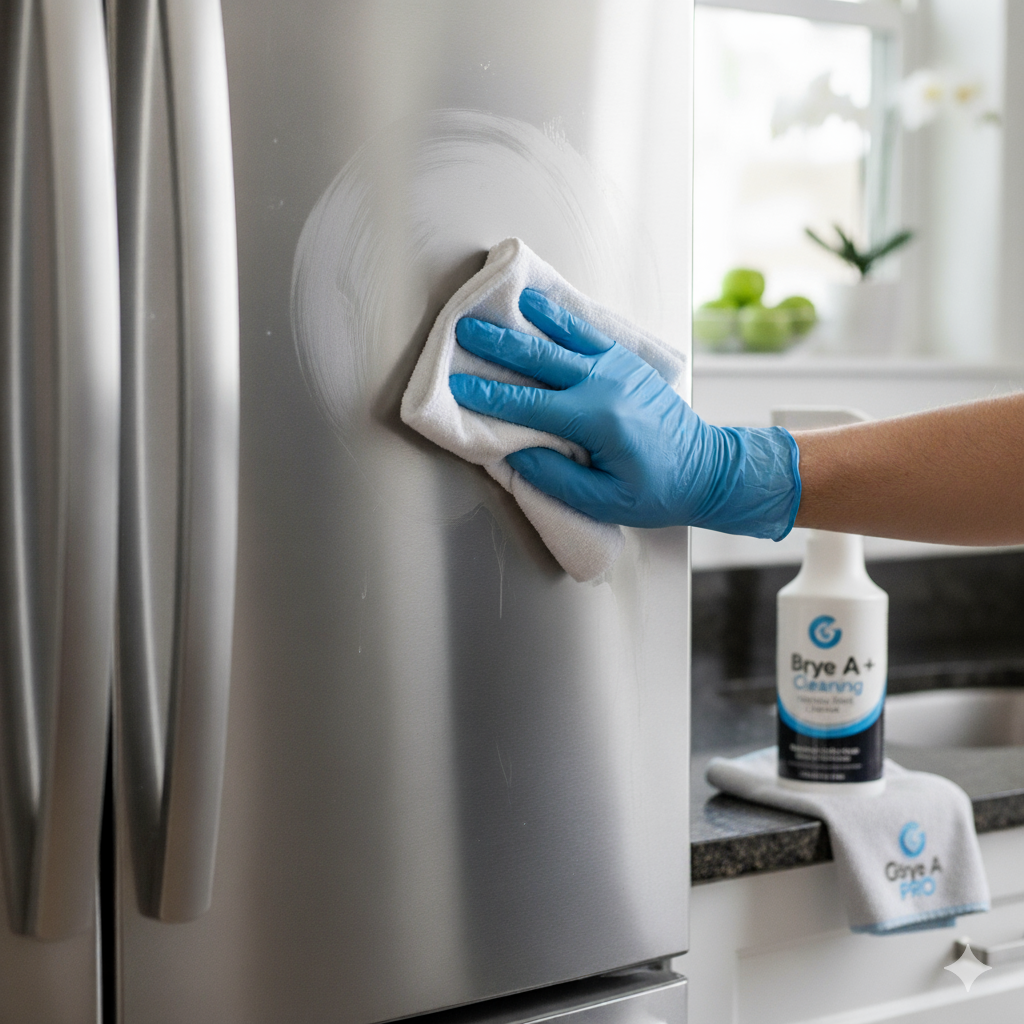
For stainless steel appliances or counters, use a soft cloth with a few drops of mild detergent. Wipe in the direction of the grain to avoid streaks, then dry it completely to prevent water spots.
To add a polished shine, you can rub a little olive oil on a clean cloth and gently buff the surface.
Protecting Luxury Surfaces from Damage
Luxury surfaces look beautiful, but they also need care to stay that way. A few small habits can make a big difference in keeping them free from stains, scratches, and dull spots.
- Hot dishes, coffee mugs, and cold glasses can cause rings or heat marks. Using coasters and trivets protects your marble or wooden surfaces from direct contact with heat and moisture.
- Never cut directly on stone or wooden countertops. Knives can scratch the surface, and food acids can cause stains. Always use a cutting board.
- Sealing creates a protective layer on stones like marble and granite. It keeps liquids from seeping in and helps maintain their shine. Use a high-quality sealer and follow the product instructions carefully.
- Excess moisture in the air can cause wooden surfaces to expand or warp. Use a dehumidifier or keep windows open to maintain balanced humidity levels.
- Luxury surfaces can crack or chip under pressure. Avoid dropping heavy pots or banging utensils directly on them.
Removing Common Stains and Marks
Even with regular cleaning and care, stains and marks can still appear on luxury surfaces. The key is to handle them quickly and gently so the material doesn’t get damaged.
Marble and Granite Stains
Marble and granite can easily absorb oils and liquids, which may leave behind dark stains. For oil stains, make a simple paste using baking soda and water. Apply it to the stain, cover it with plastic wrap, and let it sit overnight. Wipe it off with a damp cloth the next day.
For stains caused by coffee, wine, or other organic materials, use a stone-safe cleaner or mix a few drops of hydrogen peroxide with water. Always rinse well and dry the area completely to restore its natural shine.
Quartz Marks
Quartz is non-porous, so stains are rare, but marks can still form from sticky substances or dried spills. Gently scrape off any buildup using a plastic spatula, then clean the surface with a soft cloth, mild soap, and warm water.
Avoid using rough pads or harsh cleaners, as they can dull the finish over time. Quartz doesn’t need sealing, but it does benefit from regular gentle cleaning to maintain its smooth, glossy appearance.
Hardwood Stains
Wood surfaces can get water rings, smudges, and light scratches over time. To remove watermarks, rub the spot with a little toothpaste or a mix of baking soda and water until it fades. Always move in the direction of the wood grain for best results.
For minor scratches, a wood touch-up marker that matches your surface color works well. After cleaning, wipe the area with a dry cloth and apply a bit of wood polish to bring back the shine.
Stainless Steel Marks
Stainless steel is strong and stylish, but it shows fingerprints and streaks easily. For daily marks, spray a little vinegar mixed with water and wipe with a soft cloth to keep the surface clean and shiny.
For tougher stains, apply a small amount of baking soda paste, rub gently, and rinse with warm water. Dry it right away to prevent water spots. Always test any cleaner on a small, hidden area first to make sure it won’t damage the surface finish.
Long-Term Maintenance Tips
Taking care of luxury surfaces is not a one-time task; it’s an ongoing routine. Regular maintenance helps keep them looking beautiful and strong for years.
- Polishing helps maintain the shine of luxury surfaces. Use specific polishes made for marble, granite, or wood to restore their luster.
- If water stops beading on stone surfaces, it’s time to reseal them. This small effort goes a long way in preventing future damage.
- Leaving too many items on luxury surfaces can lead to unnoticed spills and scratches. Keeping them clear makes cleaning easier and protects the material.
- Constant exposure to sunlight can fade the color of stone and wood surfaces. Use curtains or blinds during peak sunlight hours to protect them.
- Even with careful maintenance, professional cleaning once or twice a year helps restore the original shine and remove deep stains. Experts use special products and tools that are safe for luxury surfaces.
Eco-Friendly Care and Common Mistakes to Avoid
Taking care of luxury surfaces doesn’t always need harsh chemicals. Eco-friendly cleaning keeps your home safe and surfaces shiny. But it’s also important to avoid common mistakes that can cause long-term damage.
| Surface Type | Eco-Friendly Cleaning Tip | Common Mistakes to Avoid |
| Marble & Granite | Mix warm water, a few drops of mild soap, and a little rubbing alcohol for gentle cleaning. | Using vinegar or lemon juice which can dull and etch the surface. |
| Quartz | Clean with water and mild dish soap using a soft cloth, then dry well. | Scrubbing with abrasive pads can make the surface lose its shine. |
| Hardwood | Mix olive oil and vinegar to clean and condition the wood naturally. | Leaving water on the surface can cause swelling or warping. |
| Stainless Steel | Use vinegar and water spray to remove fingerprints and smudges. | Using rough scrubbers or harsh chemicals that leave scratches or stains. |
Conclusion
Luxury surfaces are more than just design elements; they are investments in comfort, beauty, and quality living. The key to preserving them lies in consistent, gentle care. Use mild cleaning products, wipe spills right away, protect them from heat and moisture, and reseal when needed.
A few minutes of daily attention can keep your marble countertops glossy, your wooden floors shining, and your quartz surfaces spotless for many years to come. Treat them with care, and they will continue to add timeless elegance to your home.
Byre A+ Cleaning offers trusted luxury surface cleaning services to maintain the beauty of your marble, quartz, granite, and wood surfaces. With expert care and safe products, you can enjoy long-lasting shine and elegance throughout your home.
FAQs
1. How can I keep my luxury surfaces clean every day?
To keep luxury surfaces clean, use a soft cloth with warm water and mild dish soap. Avoid harsh chemicals and rough scrubbers. Wipe spills immediately and dry the surface to prevent streaks or water damage that dulls the shine.
2. What is the best way to remove stains from marble or granite?
For marble or granite stains, make a paste of baking soda and water. Apply it, cover it overnight, then wipe it clean. For coffee or wine stains, use diluted hydrogen peroxide or a stone-safe cleaner for gentle and effective cleaning.
3. Can I use vinegar to clean quartz surfaces?
Avoid vinegar or acidic cleaners on quartz as they can damage the finish. Instead, mix mild dish soap with warm water and use a soft microfiber cloth to clean. This keeps quartz surfaces shiny, streak-free, and protected from dullness.
4. How do I remove fingerprints from stainless steel?
Mix equal parts vinegar and water in a spray bottle, apply it to the surface, and wipe gently with a microfiber cloth. For tough marks, use a baking soda paste. Always dry afterward to maintain a spotless, polished look.
5. What should I avoid when cleaning luxury materials?
Never use bleach, ammonia, or harsh scrubbers on luxury surfaces. These can scratch or dull finishes. Instead, stick to soft cloths and mild cleaners. Regular gentle cleaning helps preserve the natural beauty and long-lasting appeal of premium materials.