


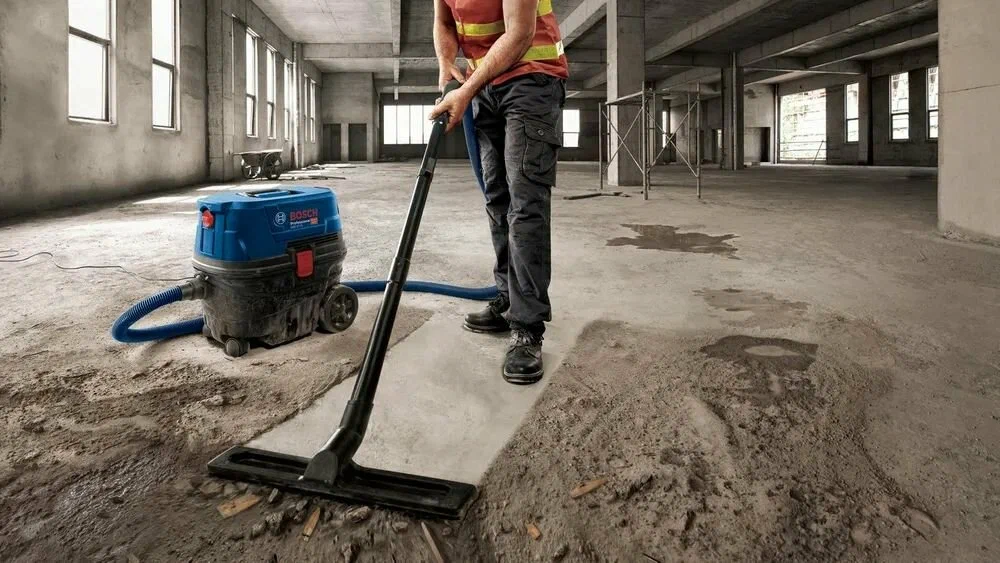
Home or office renovations introduce new designs, new spaces, and a modern feel. However, after construction is finished, it is not always excitement that remains. Dust, debris, and invisible particles can linger for weeks without cleaning. The health hazards of neglecting post-renovation cleaning are often underestimated, but this step is crucial as it can impact your family’s well-being and worsen indoor air quality.
Effective Post-Renovation Cleaning requires more than sweeping floors and wiping visible surfaces. Fine particles can settle inside ventilation systems, cabinets, window tracks, fabrics, and other difficult-to-reach areas. A systematic cleaning process helps remove this hidden contamination and makes the renovated space safer to occupy.
In this blog, we will explore the significant health risks linked to poor cleanup after renovation, explain why dust and toxins are harmful, and share some smart tips to keep yourself safe.
Why Post-Renovation Cleaning Is So Important
Building and renovation processes also release large amounts of dust and fine particles into the atmosphere. These particles not only settle on visible surfaces but can also accumulate in air vents, carpets, curtains, and behind appliances.
Professional post-construction cleaning services help remove this hidden dust and debris before it continues circulating throughout the property. Without thorough cleaning, fine particles can remain indoors for weeks, while potentially hazardous materials such as lead, asbestos, or silica may also be present. This can reduce indoor air quality and create greater risks for sensitive groups such as children and older adults.
According to the EPA, indoor particulate matter (PM) can aggravate asthma, decrease lung function, and contribute to other respiratory problems if not properly controlled..
Is Renovation Dust Harmful in Commercial Buildings?
Yes, renovation dust can be harmful, but the risk depends on the materials disturbed, the amount of dust, and the duration of exposure. Cutting concrete or masonry can generate respirable crystalline silica. Disturbing certain older building materials may release lead dust or asbestos fibers. Not every renovation produces the same hazards.
For business owners, improper post service cleanup can leave contamination outside the immediate work area. Before employees return, ask the contractor which materials were disturbed, what controls were used, and whether specialist assessment is needed. A clean-looking floor alone cannot establish that the space is ready for occupancy.
How Renovation Dust Spreads Through a Property
Renovation Dust can travel beyond the room where the work was completed. Air movement, open doors, footwear, tools, and HVAC systems can carry fine particles into nearby bedrooms, offices, hallways, and common areas. Once airborne, these particles may repeatedly settle on surfaces even after basic dusting.
Construction Dust may also collect inside air vents, filters, carpets, upholstered furniture, and gaps around fixtures. Therefore, effective cleanup should cover the surrounding areas and ventilation system rather than focusing only on the visible construction zone. Containing dust during renovation and completing detailed cleaning afterward can limit its spread.
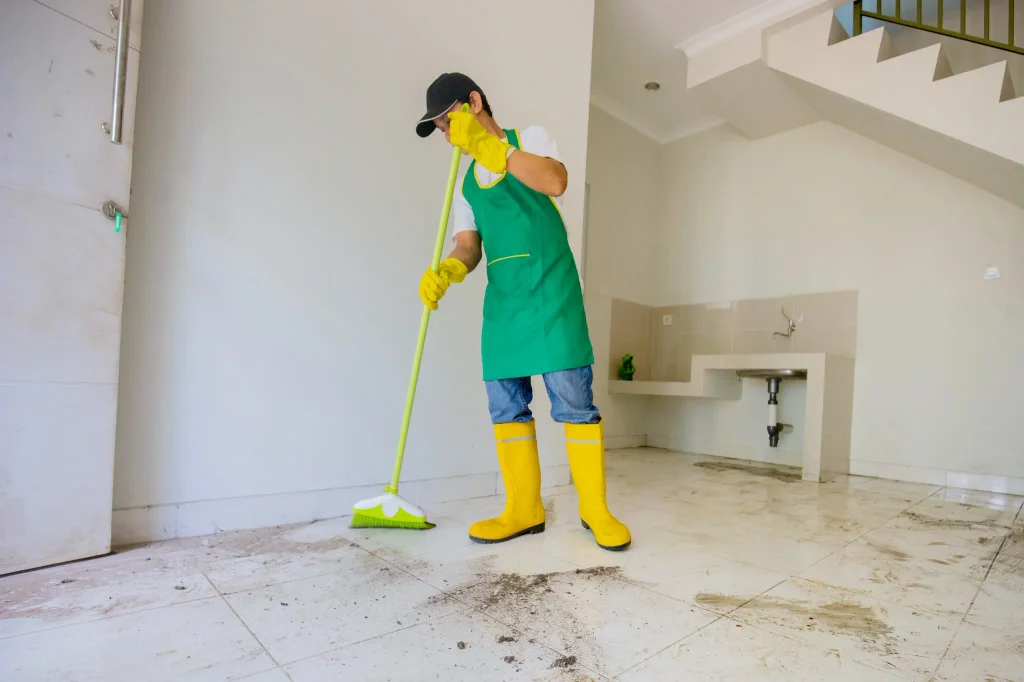
Common Health Risks of Improper Post-Renovation Cleaning
Renovation dust and debris might not seem harmful, yet they can be a hidden threat to your health. These risks may have an impact on the breathing, skin, and overall well-being without proper cleaning.
1. Breathing Problems and Respiratory Problems
Renovation dust has very fine particles that can be easily inhaled. When these particles get into the lungs, they may result in:
- Coughing and wheezing
- Shortness of breath
- Worsening of bronchitis or asthma.
- Risk of chronic lung disease in the long term.
The WHO notes that household air pollution, including fine particles, inflames the lungs, impairs immune response, and reduces oxygen flow in the body.
2. Exposure to Silica Dust
A lot of construction materials, such as concrete, tiles, and bricks, emit crystalline silica dust. Inhalation of silica dust is very dangerous and may cause silicosis, which is an incurable lung disease.
The CDC cautions that exposure to silica is known to cause scarring of the lungs, chronic obstructive pulmonary disease (COPD), and lung cancer. Symptoms can be triggered with exposure, even in the short term, to spaces that have been poorly cleaned.
3. Lead and Asbestos Contamination
The materials used in older houses may include lead paint or asbestos insulation. These materials can be disturbed during renovations, which releases toxic dust into the air.
- Lead dust may lead to headaches, memory issues, and developmental disorders among children.
- Asbestos fibers have been associated with asbestosis, lung cancer, and mesothelioma.
The EPA stresses the importance of using HEPA vacuums and wet-cleaning methods to remove dangerous particles after renovations.
When Routine Cleaning Is Not Enough
Suspected lead or asbestos contamination should not be treated as ordinary housekeeping. Stop disturbing the affected material, restrict access, and arrange an assessment by an appropriately qualified professional. Do not ask general cleaning staff to sweep, vacuum, or collect suspected asbestos debris.
When arranging post renovation cleaning NYC businesses should clarify where routine cleaning ends and specialist work begins. A cleaning company’s general service description does not establish that it is qualified for hazardous-material cleanup.
Any required remediation, testing, or clearance should be coordinated separately with qualified professionals. Improper post service cleanup should never be addressed simply by adding more cleaners or using stronger chemicals.
4. Allergy Reactions and Irritation
Not only are the lungs impacted by renovation dust, but skin, eyes, and even the throat may get irritated. Common symptoms include:
- Red, itchy, or watery eyes
- Sneezing and a runny nose
- Skin rashes or dryness
- Sore throat or coughing
People with weakened immune systems or seasonal allergies suffer more because of these problems.
5. Prolonged indoor Air pollution
Poor cleaning will leave behind dust that is not visible under carpets, in HVAC ducts, and on furniture. This dust continues to circulate over time and makes your home an indoor air pollutant.
According to research published by PMC, indoor air pollution has been found to be associated with cardiovascular disease, respiratory disease, and poor health in general.
What Improper Post-Renovation Cleaning Can Leave Behind
Improper Post-Renovation Cleaning may leave fine dust on high surfaces, inside cupboards, around electrical outlets, behind appliances, and along window or door frames. Paint residue, adhesive, grout haze, and plaster particles may also remain on floors and fixtures when the cleanup only covers visible areas.
These remaining contaminants can continue affecting Indoor Air Quality whenever people walk through the space, move furniture, or operate the HVAC system. Dust may become airborne again and settle in areas that were previously cleaned. A detailed inspection after the initial cleanup helps identify residue before the property is occupied.
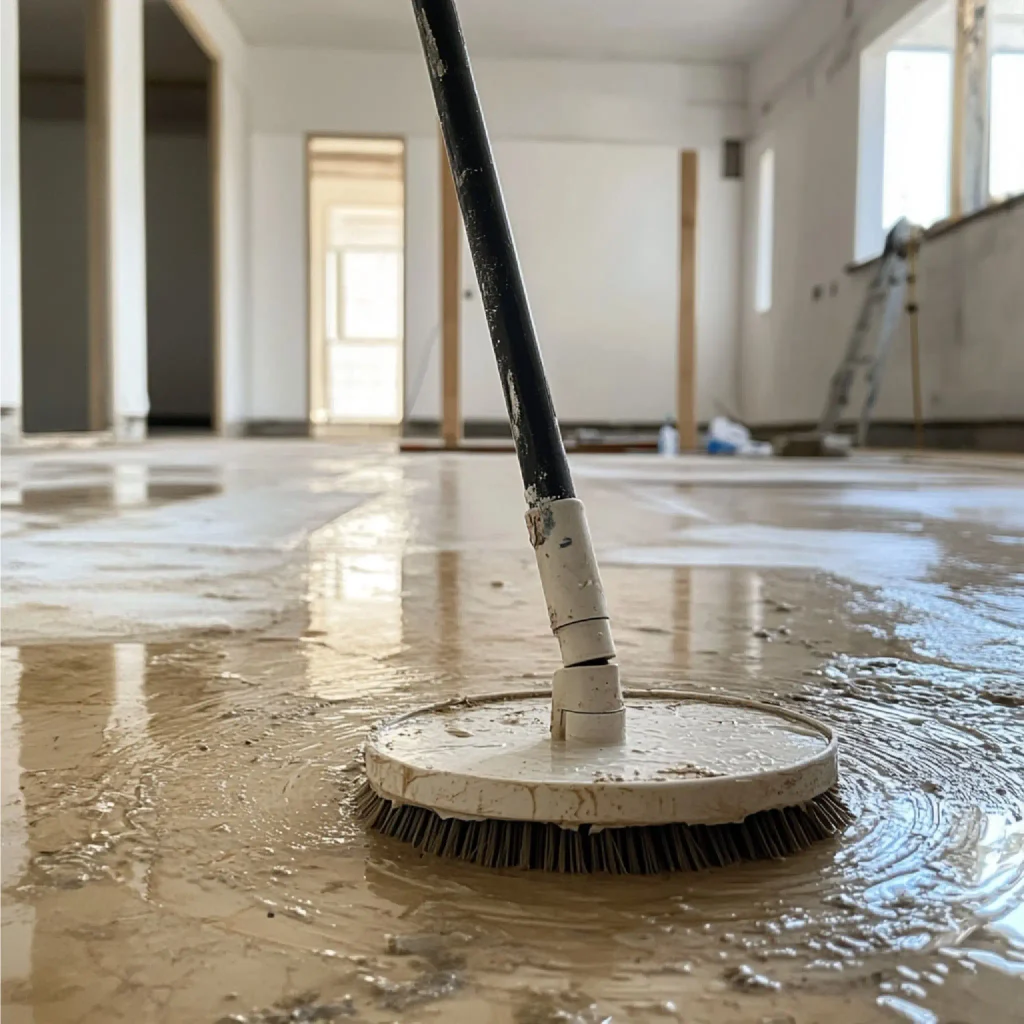
Who Faces the Highest Health Risks After Renovation?
Dust and debris may impact all, but some individuals are more vulnerable in cases of improper post-renovation cleaning. These groups need extra care:
- Children have more rapid breathing and immature lungs. Due to this, they can be exposed to dust and other toxins at a faster rate, leading to coughs, allergies, or breathing difficulties.
- The aged tend to have weak immune systems. Even dust or low air quality can cause them to get sick or worsen existing health problems.
- Individuals who already have problems with breathing, renovation dust can easily trigger asthma attacks, sneezing, or severe allergic reactions.
- Lead or chemical fumes produced by paint and adhesives are not safe during pregnancy, because they can influence the development of the baby.
- Dogs and cats spend most of their time near the floor, where dust and small particles accumulate. Inhalation of these particles may result in irritation or illness to animals as well.
Signs Your Home Wasn’t Cleaned Properly After Renovation
Even after renovation work is finished, your home might still hide dust and harmful particles if the cleanup wasn’t done correctly. These warning signs show that more cleaning is needed:
Dust Keeps Coming Back
If you wipe a table or shelf and it looks dusty again within a day, fine construction dust is still floating around and settling on surfaces.
Lingering odors
Strong smells of paint, adhesives, or chemicals mean that harmful particles are still present in the air. Proper ventilation and cleaning are needed to remove them.
Unexplained health problems
If you or your family experience constant coughing, sneezing, itchy eyes, or headaches after the renovation, poor cleaning could be the reason.
Dirty air vents and filters
Take a look at your HVAC filters and vents. If they are covered in dust, it means particles are circulating through the air inside your home.
Visible stains and residue
Paint drops, plaster marks, or sticky adhesive on floors, walls, and windows show that the cleaning wasn’t detailed enough.
Cleaning After Remodeling NYC Workplaces: Check Beyond the Renovated Room
When planning cleaning after remodeling NYC offices, stores, or shared buildings, include the routes contractors used to enter and leave. Inspect reception areas, corridors, elevator thresholds, storage spaces, and nearby occupied rooms for tracked debris or settled dust.
Ask building management to review concerns involving shared ventilation systems. Cleaning visible vent covers does not confirm that internal HVAC components are clean, and duct cleaning should not be assumed necessary without assessment.
Record the locations where dust returns after cleaning. This helps the project team investigate unfinished work, overlooked surfaces, or movement of dust from another area instead of repeatedly wiping the same spot.
What a Complete Post-Renovation Cleanup Should Cover
A thorough Post-Renovation Cleanup should begin with the safe removal of large debris and leftover materials. After the area is cleared, high surfaces, walls, fixtures, cabinets, windows, doors, and baseboards should be cleaned before attention moves to floors. Following a top-to-bottom order prevents settled dust from contaminating finished surfaces again.
HEPA-filtered vacuuming and damp wiping can help collect fine particles without spreading them further. HVAC registers and filters should also be checked because the ventilation system may have collected dust during construction. Finally, the property should be inspected under good lighting to identify remaining dust, adhesive, paint drops, or grout residue.
Quick Safety Checklist for Post-Renovation Cleanup
Cleaning after a renovation can feel overwhelming, but having a clear plan makes it easier. A quick safety checklist ensures you don’t miss important steps and keeps your home safe, healthy, and dust-free.
| Task | Purpose |
| Clear debris | Prevents accidents and frees space. |
| Vacuum with HEPA | Removes fine dust and allergens. |
| Damp wipe surfaces | Traps dust without spreading. |
| Change HVAC filters | Improves indoor air quality. |
| Use masks & gloves | Protects lungs and skin. |
| Call pros if needed | For deep, thorough cleaning. |
Plan the Cleaning Scope Before Reopening
For routine renovation dust, specify methods that collect particles rather than spread them. Where silica-containing dust may be present, favor suitable HEPA-filtered vacuuming and compatible wet methods over dry sweeping or blowing dust with compressed air.
When comparing post renovation cleaning services NYC businesses should request a written scope covering accessible ledges, fixtures, baseboards, floors, and other affected surfaces. Confirm who handles debris removal, sensitive equipment, and follow-up cleaning after remaining contractor work.
A practical plan for post renovation cleaning NYC workplaces should also identify:
- Which areas remain closed during cleaning.
- Who coordinates access with contractors and building management.
- Who inspects completed work and records unresolved concerns.
- Whether specialist testing or clearance applies before reopening.
There is no universal waiting period that makes every renovated workplace ready for use. Base the reopening decision on the work performed, remaining hazards, product instructions, and any applicable assessment requirements.
Post Renovation Cleaning Services NYC Brooklyn: Building Access and Handover
Brooklyn property managers should confirm service-elevator availability, loading arrangements, approved working hours, and access to shared areas before scheduling a crew. Include these details in the quote so the team can plan the work accurately.
Keep a handover record listing completed areas, excluded tasks, defects, and any specialist reports. Photos can document visible conditions, but they do not replace testing when testing is needed.
Improving Indoor Air Quality After Renovation
Indoor Air Quality should be monitored even after visible cleaning is complete. Ventilate the property when weather and building conditions allow, replace dirty HVAC filters, and inspect supply and return vents for dust. Running the ventilation system with clean filters can help capture particles that remain suspended in the air.
Avoid immediately placing fabrics, rugs, or upholstered furniture in rooms that still produce noticeable dust. Complete a final surface check after the air has circulated and clean any newly settled residue. These steps can reduce the Health Risks of Post-Renovation Cleaning that is incomplete and help prepare the space for safe, comfortable use.
Conclusion
Improper post-renovation cleaning can leave behind dust, allergens, and even harmful toxins that threaten your health and damage your newly renovated space. A careful cleanup ensures your property is safe, fresh, and ready to enjoy. Instead of struggling with heavy dust and hidden debris, let experts handle it for you.
Byre A+ Cleaning specializes in post-renovation cleanup and guarantees a spotless, healthy environment for your family or business. Don’t risk your health. Contact Byre A+ Cleaning today and breathe easier in your refreshed space.
FAQs About Post-Renovation Cleaning
1. Why is post-renovation cleaning important?
Post-renovation cleaning removes dust, debris, and harmful particles that construction leaves behind. Without it, air quality suffers, allergies worsen, and surfaces may get damaged. A proper cleanup ensures your space is safe, comfortable, and ready to enjoy.
2. Can leftover dust after renovation make you sick?
Yes, leftover dust can cause coughing, breathing difficulties, eye irritation, and even long-term issues if inhaled repeatedly. Children, elderly people, pets, and those with asthma or allergies are especially vulnerable, making proper cleaning essential after renovations.
3. How long does post-renovation dust last?
If left alone, post-renovation dust can linger for weeks, spreading into furniture, vents, and hidden corners. Using HEPA-filter vacuums, damp cloths, and regularly changing HVAC filters helps remove dust faster and keeps your air cleaner.
4. Should I hire professionals for post-renovation cleanup?
Hiring professionals is recommended because they use industrial-grade tools, HEPA vacuums, and safe cleaning methods. They also reach hidden spots like ducts and vents. Professional cleaning saves time, protects your health, and ensures your property is dust-free.
5. What safety gear should I use during cleanup?
You should wear protective masks, gloves, and goggles during cleanup. This safety gear shields your lungs, skin, and eyes from harmful particles. If you’re sensitive to dust, hiring professional cleaners is the safest option for thorough cleaning.
Is Renovation Dust Harmful After It Settles?
Settling does not make dust harmless. Foot traffic, moving furniture, and unsuitable cleaning methods can disturb it again. The risk depends on what the dust contains and the resulting exposure. Identify suspected hazardous materials before choosing a cleanup method.
What Should I Ask When Searching for “Post Renovation Cleaning Services NYC Brooklyn”?
Ask whether the provider serves your building type, can meet access requirements, and supplies an itemized cleaning plan. Confirm equipment, exclusions, and how suspected hazardous materials are handled. Compare post renovation cleaning services NYC providers offer by scope and qualifications, as well as price.
Can Cleaning Remove Paint and Adhesive Fumes?
Surface cleaning removes dust and residue, but it does not necessarily stop emissions from newly applied products. Follow the paint, adhesive, or flooring manufacturer’s ventilation and occupancy instructions. Coordinate persistent odor concerns with the contractor or building manager rather than masking them with fragrance.