



Engineered hardwood floors combine the beauty of real wood with a layered core for extra stability. To keep them looking their best and to protect that core you need a clear, consistent cleaning routine. This article shows you exactly how to clean engineered hardwood floors safely, step by step, with plenty of detail and minimal bullet lists.
Why You Should Clean Engineered Hardwood Floors Regularly
When dirt and grit accumulate, they act like sandpaper underfoot: tiny particles get ground into the finish, causing dull spots and scratches. Moisture trapped between planks can weaken the glue layers and even lead to swelling or mold growth. By dusting daily, mopping weekly, and handling spills immediately, you protect both the finish and the underlying layers.
Essential Tools for the Job
Gather your supplies before you begin: a microfiber dust mop or soft-bristle broom for everyday use, a vacuum with a hard-floor setting for thorough removal of debris, and a pH-neutral cleaner made specifically for wood floors. You’ll also need a bucket of warm water and a microfiber mop or soft cloth for damp cleaning. Finally, keep a supply of felt-pad furniture cups on hand to prevent scratches when you move chairs or tables.
Four-Step Weekly Cleaning Routine
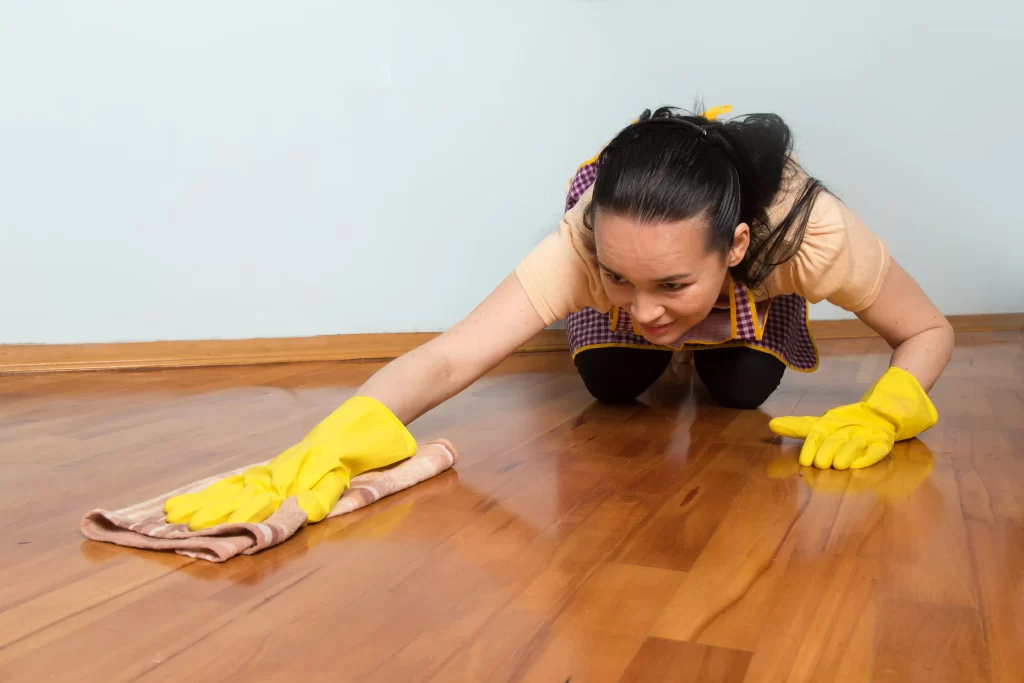
- Dust or sweep along the grain. Glide your microfiber mop or broom in the direction of the wood planks to pick up loose dirt before it scratches.
- Vacuum edges and corners. Switch to the hard-floor attachment and work methodically, paying special attention to baseboards and doorways.
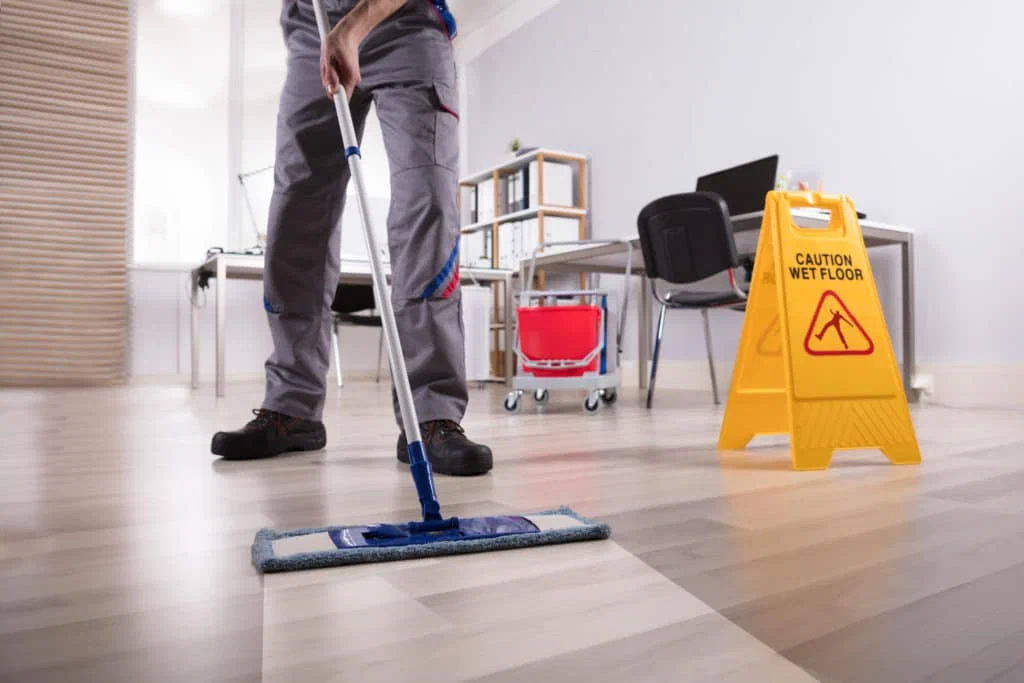
- Damp-mop with care. Mix the pH-neutral cleaner with warm water, wring the mop until it’s only slightly damp, then push it along the grain.
- Dry immediately. Use a clean, dry cloth or mop head to absorb any remaining moisture so water never sits on the surface.
By limiting moisture exposure and working with the grain, you ensure cleaning engineered hardwood floors is both safe and effective.
Handling Spills and Stains
Act within minutes: blot any liquid with a soft cloth rather than rubbing, which can spread the spill. For sticky or greasy spots, apply a small amount of your wood-floor cleaner to a damp cloth and gently work the stain away, then wipe dry. This focused approach prevents discolored rings and keeps the sealant intact.
Mistakes to Avoid
Many common errors come down to excess moisture and harsh products. Never flood the floor with water—standing liquid will seep into seams and weaken the layers below. Steer clear of vinegar, bleach, ammonia, or multi-surface detergents, since their acidity or alkalinity can strip the factory finish. And avoid scratch-causing tools like steel wool or stiff brushes; always opt for soft microfiber or natural-bristle pads.
Long-Term Care Tips
Beyond your weekly clean, use entry mats both outside and inside doorways to trap grit before it hits the floor. Maintain indoor humidity between 35 % and 55 %—too dry and planks can gap, too humid and they can swell. Rotate area rugs occasionally to promote even wear, and lift rather than drag heavy furniture, or install felt pads under each leg. Every few years, consider a professional screen-and-recoat to refresh the protective layer and restore shine.
Key Takeaways
- A four-step weekly routine (dust, vacuum, damp-mop, dry) keeps grit and moisture at bay.
- Blot spills immediately and treat stains with a damp cloth and wood-floor cleaner.
- Avoid excess water and harsh chemicals that damage sealants.
- Control humidity, use mats, and protect against scratches to extend the life of your floors.
Detailed Information Summary
| Task | Frequency | Tool or Product Needed |
|---|---|---|
| Dust or sweep | Daily | Microfiber dust mop or broom |
| Vacuum | Weekly | Vacuum with hard-floor setting |
| Damp-mop | Weekly | pH-neutral cleaner, bucket |
| Spot-clean spills | As needed | Soft cloth, floor cleaner |
Conclusion
Cleaning engineered hardwood floors doesn’t have to be a chore. By following a simple, moisture-controlled routine and avoiding harsh products, you’ll protect the surface finish and the layered core beneath. Keep your floors dust-free, handle spills without delay, and invest in humidity control and felt pads—and your engineered hardwood will stay beautiful and crack-free for many years.
- What is the best method for cleaning engineered hardwood floors?
The most effective approach to cleaning engineered hardwood floors is to dust or sweep daily, vacuum weekly with a hard-floor attachment, then damp-mop in the direction of the grain using a pH-neutral cleaner and a well-wrung microfiber mop. - How often should I perform wet cleaning when cleaning engineered hardwood floors?
For regular upkeep, plan a light wet cleaning once a week. Over-wetting can damage seams, so always wring the mop thoroughly before cleaning engineered hardwood floors. - Can I use vinegar or home-made solutions for cleaning engineered hardwood floors?
No—acidic or alkaline mixtures like vinegar, ammonia, or bleach will strip the protective finish. Stick to a labeled pH-neutral cleaner when cleaning engineered hardwood floors. - How do I handle spills while cleaning engineered hardwood floors?
Blot any spill immediately with a soft cloth—do not rub. Then apply your wood-floor cleaner to a damp cloth, work the spot gently, and dry thoroughly to prevent water damage during cleaning engineered hardwood floors. - What long-term maintenance should I pair with cleaning engineered hardwood floors?
Beyond routine cleaning, control indoor humidity (35 %–55 %), use entry mats, rotate rugs, and install felt pads under furniture. For major refreshes, consider a professional screen-and-recoat service for your engineered wood surface (Engineered wood).