



Basement floors often face heavy traffic and moisture, which can lead to dirt buildup, stains, and even mold. Steam cleaning basement floors is a proven method that uses hot water vapor to remove dirt and kill germs without harsh chemicals.
A complete basement floor cleaning routine should address more than visible dust. Moisture, tracked-in soil, grease, and organic residue can settle into corners and textured surfaces. Steam cleaning can support a deeper cleaning process when the floor material is suitable and existing moisture problems have been resolved.
This guide provides detailed, step-by-step instructions, useful tables, and clear summaries to help you achieve a clean and healthy basement.
What Is Steam Cleaning Basement Floors?
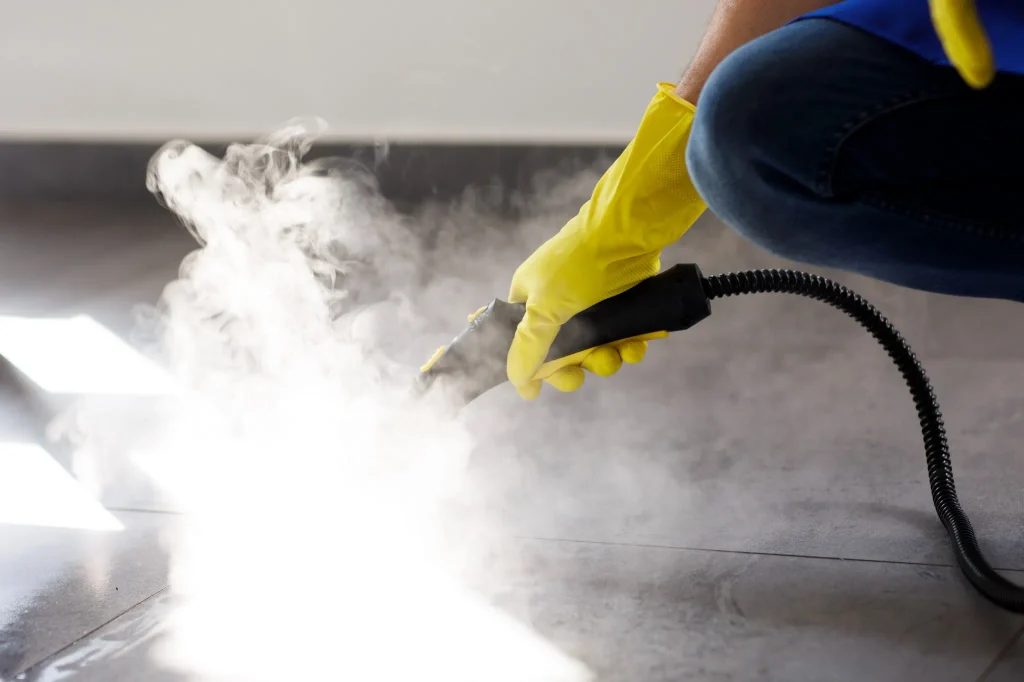
Steam cleaning basement floors uses high-temperature water vapor to loosen and remove dirt, grime, and germs. The steam penetrates the surface, lifting away contaminants and leaving your floor nearly dry. This method is popular because it:
- Uses only water no chemicals are needed.
- Kills bacteria, mold spores, and dust mites.
- Is safe for families and pets.
Benefits of Steam Cleaning Basement Floors
Using a steam cleaner for concrete floors is one of the most effective ways to remove embedded dirt, grease, and bacteria without relying on harsh chemicals. Using steam cleaning offers several advantages:
- Chemical-Free: Eliminates the need for harsh cleaning agents.
- Germ-Killing: High heat effectively sanitizes the floor.
- Quick Drying: Minimal moisture remains after cleaning.
- Eco-Friendly: Only water is used, reducing environmental impact.
- Versatile: Works well on concrete, tile, and other common basement surfaces.
Essential Tools for Steam Cleaning Basement Floors
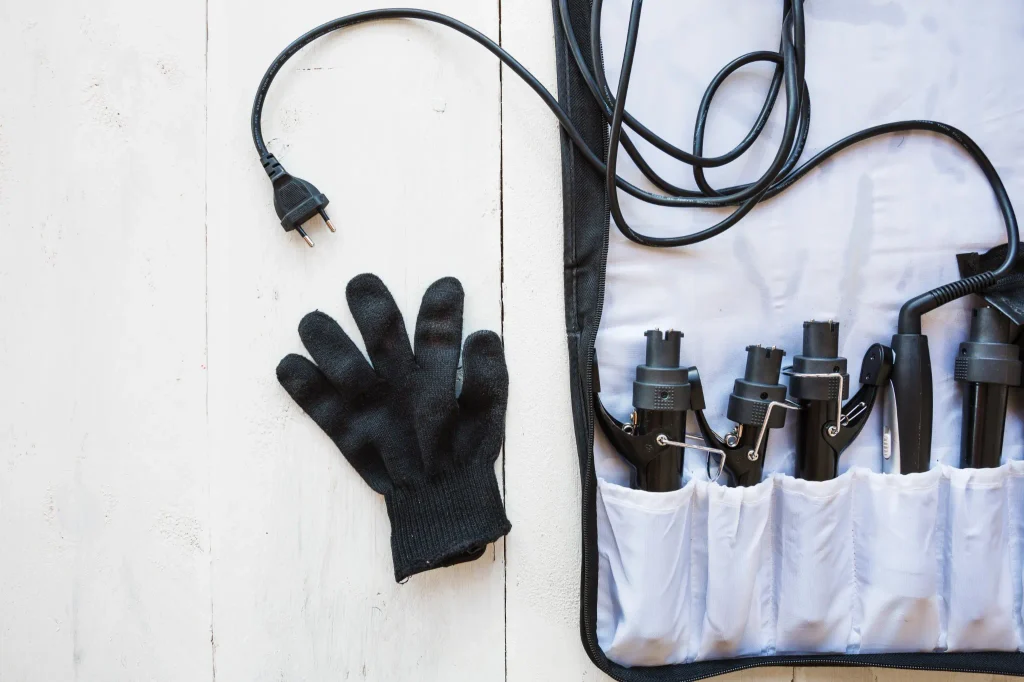
Before you start, gather these tools to ensure effective steam cleaning:
| Tool | Description |
| Steam Cleaner Machine | A device that heats water to produce steam; choose one with adjustable settings. |
| Cleaning Attachments | Floor brushes or pads that fit your steam cleaner for different floor types. |
| Distilled Water | Reduces mineral buildup in the machine for better performance. |
| Protective Gear | Gloves and safety glasses to protect against hot steam. |
Using the right tools will help you safely and efficiently steam clean basement floors.
Step-by-Step Guide for Steam Cleaning Basement Floors
Learning how to properly steam clean basement floor areas can dramatically improve cleanliness and reduce moisture-related odors. Basements often accumulate dust, mildew, and stains due to limited ventilation and humidity.
Follow these steps to get the best results when steam cleaning basement floors:
Step 1: Prepare the Area
Begin by removing furniture, rugs, storage boxes, and other obstacles from the basement floor to create a clear working area. Then, sweep or vacuum the entire surface carefully to collect loose dirt, dust, hair, and debris. Pay close attention to corners and edges, as proper preparation allows the steam to reach the floor more effectively and produces more consistent cleaning results.
Step 2: Set Up the Steam Cleaner
Fill the steam cleaner’s tank with distilled water to support consistent performance and reduce mineral buildup inside the machine. Next, switch on the cleaner and allow it to reach the temperature recommended by the manufacturer. Once it is fully heated, securely attach the appropriate cleaning brush or pad for your basement floor type before beginning the cleaning process.
Step 3: Clean the Floor
Begin by testing the steam cleaner on a small, hidden section of the basement floor to confirm that the heat and moisture will not damage the surface or its finish. Once the test area is safe, divide the floor into manageable sections and move the machine slowly using overlapping passes to achieve consistent coverage. Give stubborn dirt and stains extra attention by holding the steam cleaner over them slightly longer, but avoid concentrating heat in one place for too much time.
Step 4: Post-Cleaning
After steam cleaning, wipe down the entire floor with a clean microfiber cloth or mop to collect loosened dirt and remove any excess moisture left on the surface. Pay close attention to corners, floor joints, and low areas where water may collect. Next, improve ventilation by opening windows or running fans and allow the basement floor to air dry completely. Do not replace furniture, rugs, or storage items until the surface is fully dry, as trapped moisture may cause odors, mildew, or mold growth.
Maintenance and Safety for Steam Cleaning Basement Floors
Proper maintenance and safety practices ensure long-lasting results and safe operation:
Maintenance Tips
- Regular Cleaning: Sweep or vacuum weekly to reduce dirt buildup.
- Deep Clean: Steam clean every three to six months, depending on use.
- Immediate Action: Address spills and stains quickly to prevent permanent marks.
Safety Guidelines
- Read the Manual: Always follow your steam cleaner’s instructions.
- Test on a Small Area: Avoid damage by testing before full-scale cleaning.
- Ensure Ventilation: Open windows or use fans to promote drying.
- Wear Protective Gear: Gloves and safety glasses can prevent burns and injuries.
When to Consider Professional Basement Floor Steam Cleaning
Routine steam cleaning can manage common dirt and light stains. However, professional basement floor steam cleaning may be more appropriate when a floor has extensive staining, persistent odors, large areas of embedded grime, or difficult-to-reach sections. Trained cleaners can assess the floor condition, choose suitable equipment, and create a steam cleaning process based on the surface material.
A basement floor steam cleaning service may also be helpful in large finished basements, rental properties, commercial spaces, or basements that have not been cleaned for a long time. Professional equipment can cover larger areas efficiently while extracting loosened contaminants and controlling residual moisture. Nevertheless, structural leaks, active water intrusion, and major mold growth should be corrected by appropriate specialists before routine floor steam cleaning begins.
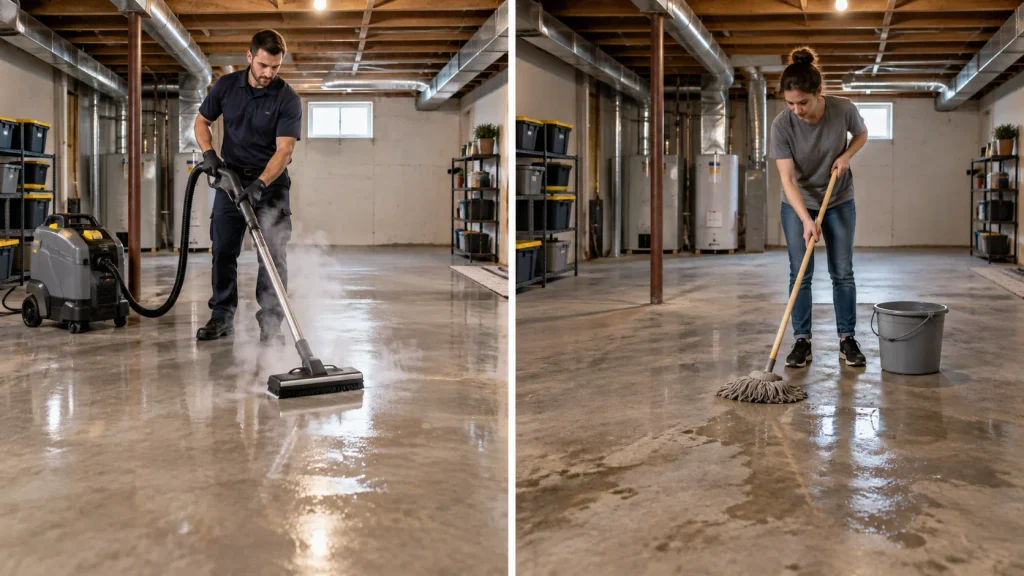
Comparison: Steam Cleaning Basement Floors vs. Traditional Cleaning
Below is a table comparing steam cleaning basement floors with traditional cleaning methods:
| Aspect | Steam Cleaning Basement Floors | Traditional Cleaning |
| Cleaning Agent | Water only | Chemical detergents |
| Germ Elimination | Kills bacteria and mold spores with high heat | May require additional disinfectants |
| Drying Time | Quick drying due to minimal moisture | Longer drying time with heavy water use |
| Environmental Impact | Eco-friendly | Chemical runoff can harm the environment |
| Surface Compatibility | Suitable for concrete, tile, and more | May not be safe for all surfaces without proper care |
This table highlights the advantages of using steam cleaning basement floors compared to traditional methods.
Detailed Information Summary
Here is a summary of key points regarding steam cleaning basement floors:
| Topic | Key Points |
| Definition | Uses hot water vapor to remove dirt and kill germs without chemicals. |
| Benefits | Chemical-free, germ-killing, quick drying, eco-friendly, and versatile on various surfaces. |
| Required Tools | Steam cleaner machine, cleaning attachments, distilled water, and protective gear. |
| Step-by-Step Process | Prepare area, set up machine, clean in sections, and finish with post-cleaning drying. |
| Maintenance & Safety | Regular sweeping, periodic deep cleaning, testing on small areas, ensuring proper ventilation, and using protective gear. |
| Comparison | Outperforms traditional cleaning methods in safety, environmental impact, and efficiency. |
This detailed summary provides a quick reference to help you understand and implement steam cleaning basement floors effectively.
How Long Does Steam Cleaning Basement Floors Take?
The time required for steam cleaning basement floors depends on the basement’s size, floor condition, layout, and amount of dirt present. A small, open basement with light soil may take one to two hours. However, a large basement with furniture, textured flooring, or stubborn stains may require several hours.
Preparation and drying time should also be considered. Removing stored items, vacuuming loose debris, filling the steam cleaner, and treating problem areas can extend the process. After cleaning, keep fans running and maintain proper ventilation until the floor is completely dry.
Which Basement Floors Should Not Be Steam Cleaned?
Although steam cleaning basement floors works well on many sealed and moisture-resistant surfaces, it is not appropriate for every flooring material. Excessive heat and moisture may weaken adhesives, damage certain finishes, or enter gaps between flooring sections.
Avoid steam cleaning unsealed wood, damaged laminate, loose vinyl tiles, waxed surfaces, and floors with peeling coatings unless the manufacturer confirms that steam is safe. Cracked concrete should also be inspected because moisture may enter openings and worsen existing problems. Always test the machine in an inconspicuous area before cleaning the entire floor.
How to Treat Stains Before Steam Cleaning Basement Floors
Pretreating difficult stains can improve the results of steam cleaning basement floors. First, identify whether the stain comes from mud, grease, food, rust, paint, or another material. Different stains may require different cleaning products and methods.
Apply a floor-compatible treatment only to the affected area and allow it to sit for the recommended time. Next, gently agitate the stain with a suitable brush before using the steam cleaner. Avoid mixing cleaning chemicals, and never place detergent inside a steam cleaner unless the equipment manufacturer specifically allows it.
Mistakes to Avoid When Steam Cleaning Basement Floors
Several common mistakes can reduce cleaning effectiveness or damage the floor:
- Using steam on a surface without checking its compatibility
- Skipping the initial sweeping or vacuuming
- Holding the steam nozzle in one position for too long
- Using excessive moisture on cracked or damaged flooring
- Failing to replace dirty cleaning pads
- Returning rugs and furniture before the floor is dry
- Steam cleaning before correcting leaks or water intrusion
Avoiding these mistakes makes steam cleaning basement floors safer and helps produce cleaner, more consistent results.
Common Basement Floor Problems Steam Cleaning Can Address
Basement floors can collect dust, mud, grease, food spills, and other contaminants, particularly when the space is used for storage, laundry, recreation, or regular household activities. Steam cleaning loosens residue from the surface and reaches textured areas that may be difficult to clean with an ordinary mop. As a result, it can improve the appearance and hygiene of concrete, tile, and other compatible flooring materials.
However, steam cleaning cannot correct every basement problem. Persistent dampness, active water leaks, severe mold growth, damaged concrete, and failing floor coatings require proper inspection and repair. Addressing these underlying issues before deep cleaning basement floors helps prevent contamination from returning and supports longer-lasting results.
Conclusion
Steam cleaning basement floors is an effective, chemical-free method for deep cleaning your basement. By using hot water vapor, this method removes dirt and kills germs, offering a safe and eco-friendly cleaning solution. Follow the detailed steps and safety guidelines in this guide, use the recommended tools, and refer to the summary tables for a quick overview. Enjoy a cleaner, healthier basement with regular steam cleaning.
When evaluating the best steam cleaner for concrete floors, look for models with adjustable steam settings, durable brushes, and large water tanks for extended cleaning sessions. Investing in the right equipment ensures long-lasting performance, improved hygiene, and restored concrete surfaces in both residential and commercial spaces.
Frequently Asked Questions about Steam Cleaning Basement Floors
1. Is steam cleaning safe for all types of basement floors?
Yes, steam cleaning is generally safe for many basement floor surfaces, such as concrete, tile, and vinyl. However, it is best to test a small, hidden area first, especially if your floor has a sealed or delicate finish.
2. How often should I steam clean my basement floors?
For most basements, a deep steam clean every three to six months is sufficient. If your basement experiences heavy traffic or persistent damp conditions, you may need to clean more frequently to prevent dirt buildup and mold growth.
3. Can steam cleaning remove mold and bacteria from basement floors?
Steam cleaning can effectively kill mold spores and bacteria due to the high heat of the steam. However, if you have a significant mold problem, it is important to address any underlying moisture issues along with regular cleaning to prevent recurrence.
4. What equipment do I need to steam clean my basement floors?
To steam clean basement floors, you will need:
- A steam cleaner machine with adjustable settings
- Appropriate cleaning attachments such as floor brushes or pads
- Distilled water to avoid mineral buildup in the machine
- Protective gear like gloves and safety glasses
5. Should I use a consumer-grade steam cleaner or hire a professional?
For regular maintenance and light to moderate cleaning, a consumer-grade steam cleaner is usually sufficient. However, if you have a large area, heavily soiled floors, or persistent issues like mold, you might consider investing in a professional-grade machine or hiring a professional cleaning service.