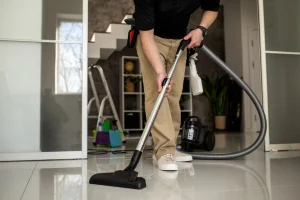


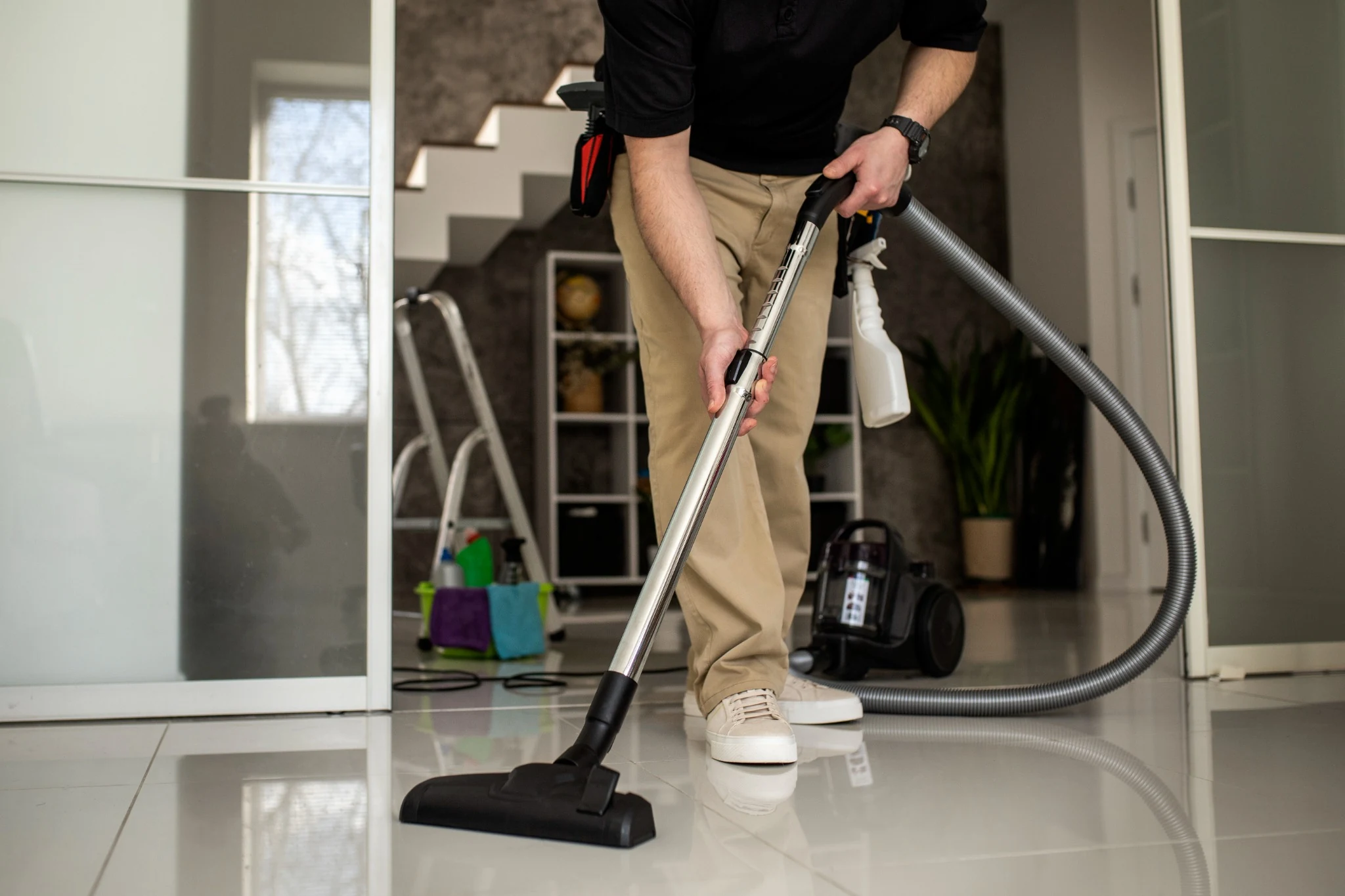

Clean floors make a commercial property look professional and welcoming. Whether you manage an office, retail store, warehouse, or other business space, regular floor cleaning helps remove dirt, stains, and buildup. It also helps protect flooring materials from everyday wear and keeps high-traffic areas in better condition.
However, considering commercial floor cleaning costs is important when planning a maintenance budget. Prices depend on several factors, including floor size, material, condition, cleaning method, and service frequency. Basic floor cleaning usually costs less than specialized treatments such as deep scrubbing, polishing, or stripping and waxing.
Professional commercial floor cleaning services can help businesses maintain different flooring materials through regular maintenance and specialized treatments.
For businesses in New York City, comparing cleaning rates can help avoid unnecessary expenses. This guide explains commercial floor cleaning prices, hourly and monthly rates, costs per square foot, and practical ways to manage floor maintenance expenses.
How Much Does Commercial Floor Cleaning Cost in NYC?
The cost of professional commercial floor cleaning services depends on the type of cleaning your property needs. Simple floor maintenance, such as vacuuming and mopping, generally costs less than machine scrubbing, stain removal, or floor restoration.
Many cleaning companies calculate prices based on square footage. However, smaller jobs or services with changing requirements may use hourly or fixed pricing.
Here are some general commercial floor cleaning price estimates to help businesses plan their budgets.
Businesses that need complete workplace maintenance can also explore professional office cleaning services to keep floors, workstations, and shared areas clean.
| Floor Cleaning Service | Estimated Cost |
| Floor buffing and burnishing | $0.04–0.12 per sq. ft. |
| Commercial carpet cleaning | $0.08–0.40 per sq. ft. |
| Basic tile cleaning | $0.12–0.21 per sq. ft. |
| Hard-floor machine scrubbing | $0.30–0.55 per sq. ft. |
| Floor stripping and waxing | $0.50–3.00 per sq. ft. |
These are general industry pricing estimates, not official BRYE A+ Cleaning rates or guaranteed NYC prices.
Commercial Floor Cleaning Prices by Flooring Type
Different flooring materials require different cleaning methods. Some surfaces need only routine maintenance, while others require specialized equipment or treatments to remove stains and restore their appearance.
These differences can help businesses choose the right service without paying for unnecessary work.
Tile and Grout Floor Cleaning
Tile floors in commercial spaces are easy to maintain, but grout can collect dirt and stains. Professional scrubbing, grout cleaning, and sealing may increase the total cleaning cost.
Vinyl and VCT Floor Cleaning
Vinyl and VCT floors in commercial buildings need regular cleaning to remove dirt and marks. VCT may also require buffing, stripping, or waxing, which can increase costs depending on floor condition and treatment needs.
Concrete Floor Cleaning
Concrete floors in warehouses and industrial spaces need regular sweeping and scrubbing. Heavy stains, grease, or polishing requirements can increase cleaning costs, while suitable products help protect floor coatings and sealers.
Hardwood and Laminate Floor Cleaning
Wood and laminate floors need careful cleaning to prevent damage from moisture or harsh chemicals. Professional cleaning costs may increase with hardwood polishing or refinishing, while laminate floors usually require gentle maintenance.
Commercial Carpet Cleaning
Commercial carpets collect dust, dirt, and stains from daily foot traffic. Regular vacuuming helps, but deep cleaning may be needed. Costs depend on carpet condition, floor area, and cleaning methods.
What Factors Affect Commercial Floor Cleaning Rates?
Commercial floor cleaning rates can vary even between properties with similar floor areas. The amount of labor, cleaning equipment, and preparation required directly affects the overall cost.
1. Floor Size and Total Square Footage
Larger floors generally require more cleaning time and supplies. However, open spaces may be easier to clean than buildings with narrow hallways, furniture, and several rooms. Larger projects may also qualify for lower rates per square foot.
Large warehouses and production facilities may also benefit from specialized industrial cleaning services designed for demanding commercial environments.
2. Floor Condition and Dirt Buildup
Well-maintained floors usually need less cleaning effort. In contrast, floors with heavy stains, grease, dust, or neglected finishes may require deep scrubbing or special treatments, increasing labor and cleaning costs.
3. Cleaning Method and Equipment
Basic mopping and vacuuming usually cost less than machine scrubbing, polishing, or stripping and waxing. Specialized cleaning equipment and additional treatment steps can increase commercial floor cleaning prices.
4. Cleaning Frequency
Daily or weekly floor maintenance increases the number of visits but may reduce heavy dirt buildup. Businesses can choose a schedule based on foot traffic, flooring type, and maintenance needs to control long-term expenses.
For businesses that need consistent floor maintenance, janitorial cleaning services can provide scheduled cleaning to maintain workplace cleanliness.
5. Business Hours and Accessibility
Cleaning outside business hours, moving furniture, or working around equipment may require additional labor. Restricted access and tight schedules can also affect pricing because cleaners need more time to complete the work.
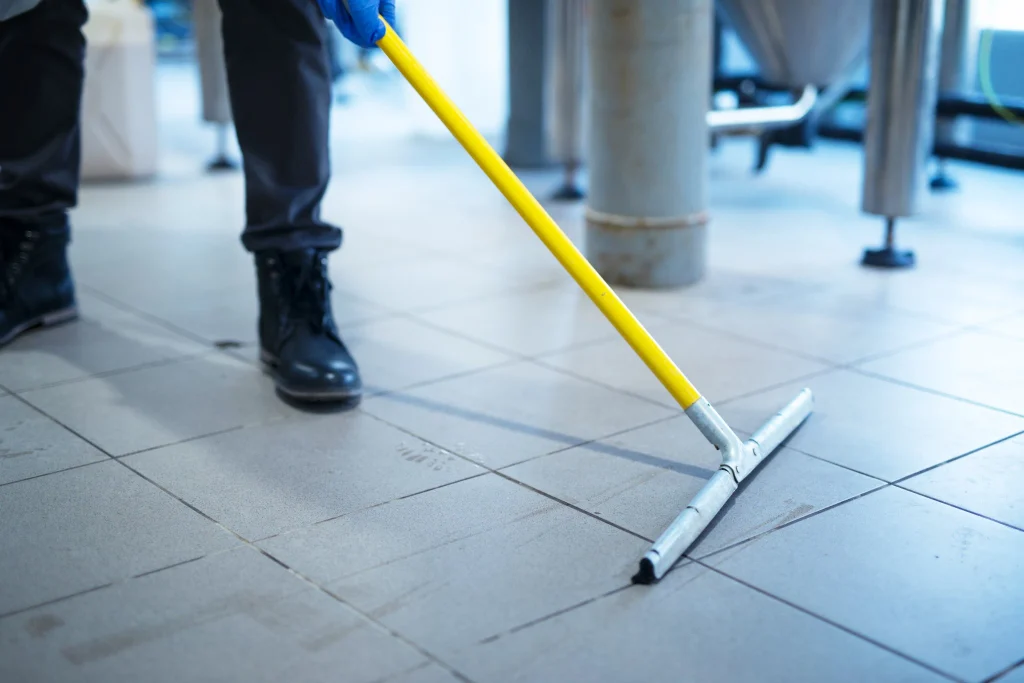
Commercial Floor Cleaning Cost Per Hour vs. Per Square Foot
Commercial cleaning companies use different pricing methods depending on the size and condition of the property.
Some businesses prefer hourly pricing, while others choose square-foot rates or fixed project estimates.
Hourly Floor Cleaning Rates
Commercial floor cleaning cost per hour depends on the number of cleaners, labor requirements, and type of service.
As a broad national benchmark, general commercial cleaning may cost around 20–80 per labor hour. Specialized floor treatments may be priced differently because they require additional equipment and skills.
Hourly pricing is often suitable for small areas, occasional cleaning, or jobs where the amount of work is difficult to estimate.
Cost Per Square Foot
Square-foot pricing is common for larger commercial properties because it helps businesses estimate expenses based on the area being cleaned.
For example, suppose a business needs 2,000 square feet of hard flooring professionally scrubbed.
If the quoted rate is $0.30 per square foot:
2,000 × $0.30 = $600
The estimated cleaning cost would be $600 for that visit.
This example assumes the entire 2,000-square-foot area is included and no additional charges apply.
Comparing Pricing Methods
| Pricing Method | How It Works | Suitable For |
| Hourly pricing | Charged by labor time | Small or irregular jobs |
| Per square foot | Charged by cleaned floor area | Large commercial spaces |
| Fixed pricing | Agreed price for a project | One-time deep cleaning |
| Monthly contract | Regular service at an agreed rate | Ongoing floor maintenance |
How Much Does Monthly Commercial Floor Cleaning Cost?
Commercial floor cleaning cost per month depends on the cleaning schedule, floor area, and services included. A busy retail store may need frequent cleaning, while a smaller office may require professional floor care only a few times each month.
Monthly expenses usually increase with more cleaning visits. However, regular maintenance can help prevent dirt buildup and reduce the need for some intensive cleaning treatments.
Example of Monthly Floor Cleaning Costs
Suppose a commercial property receives a quote of $150 per routine floor cleaning visit.
| Cleaning Frequency | Estimated Monthly Cost |
| Once per month | $150 |
| Twice per month | $300 |
| Once per week | 600–750 |
| Twice per week | 1,200–1,350 |
| Three times per week | 1,800–2,100 |
This table uses a hypothetical $150 visit price and approximately four to five weeks per month. It is not a published service rate. Actual costs depend on the quote, number of visits, and cleaning requirements.
When Do Commercial Floors Need Deep Cleaning Instead of Routine Cleaning?
Routine floor cleaning helps remove everyday dust, dirt, and spills. However, some floors need additional treatment when regular cleaning no longer produces the desired results.
Deep cleaning may be necessary when floors show stubborn stains, heavy dirt buildup, or discolored grout. Busy commercial entrances, kitchens, and hallways often experience these problems because of constant foot traffic.
The main difference between routine and deep cleaning is the level of work involved.
| Routine Floor Cleaning | Deep Floor Cleaning |
| Removes everyday dirt and dust | Removes deeper buildup and stubborn stains |
| Uses regular cleaning tools | May require specialized machines |
| Usually needs less time | Often requires additional labor |
| Suitable for regular maintenance | Suitable for periodic intensive cleaning |
| Generally lower cost per visit | Usually higher cost per visit |
Not every dull or damaged floor needs deep cleaning. Some surfaces may require polishing, refinishing, or repair instead.
How Can Businesses Reduce Commercial Floor Cleaning Costs?
A proper maintenance plan can help businesses keep floors clean without spending more than necessary. Small changes in cleaning schedules and daily floor care can also improve long-term cost control.
Follow a Regular Floor Maintenance Schedule
Regular cleaning helps prevent heavy dirt buildup and stubborn stains. Businesses should schedule floor care based on foot traffic, flooring material, and daily use to avoid unnecessary deep cleaning.
Use Entrance Mats to Reduce Dirt Buildup
Entrance mats help collect dust, moisture, and debris before they spread across commercial floors. This can reduce cleaning effort and help protect flooring surfaces from scratches and everyday wear.
Choose Suitable Cleaning Methods
Different flooring materials require different cleaning products and equipment. Using the correct methods helps maintain floor condition and reduces the risk of damage that could lead to costly repairs.
Combine Floor Cleaning With Other Services
Businesses may find it easier to manage cleaning expenses by arranging floor maintenance alongside routine commercial cleaning. A combined service plan can simplify scheduling and may reduce repeated setup costs.
Compare Detailed Cleaning Quotes
Before hiring a company, compare cleaning methods, service frequency, equipment, supplies, and total charges. A detailed quote helps identify hidden costs and ensures businesses pay for the services they actually need.
How to Choose an Affordable Commercial Floor Cleaning Service in NYC
Choosing a commercial floor cleaning company involves more than finding the lowest price. Businesses should look for experienced cleaners who understand different flooring materials and use suitable equipment to maintain their condition.
Retail businesses can also explore retail cleaning services to maintain clean floors, customer areas, and shopping spaces.
Before hiring, ask about the cleaning process, service schedule, and additional charges. A reliable company should provide clear estimates based on floor size, material, and cleaning requirements. You can also review customer feedback through BRYE A+ Cleaning’s Google Business Profile when researching local cleaning providers.
BRYE A+ Cleaning provides professional floor cleaning services for offices, retail stores, warehouses, and other commercial properties. Businesses can request a customized quote to understand their cleaning needs and choose a suitable maintenance plan.
Final Thoughts on Commercial Floor Cleaning Costs
Commercial floor cleaning cost depends on several factors, including floor size, material, condition, cleaning method, and service frequency. Routine cleaning is generally more affordable than specialized treatments, but regular maintenance can also help reduce the need for expensive deep cleaning.
Businesses looking for broader facility maintenance can explore commercial cleaning services in NYC from BRYE A+ Cleaning.
For business owners, understanding different pricing methods makes it easier to compare quotes and plan monthly expenses. Choosing the right cleaning schedule and professional services can help maintain clean, attractive floors while controlling maintenance costs.
Frequently Asked Questions
How Much Does Commercial Floor Cleaning Cost Per Square Foot in NYC?
Commercial floor cleaning prices vary by service. Basic floor care can cost less than specialized scrubbing or stripping and waxing. The final quote depends on floor size, material, condition, and cleaning requirements.
What Is the Average Cost of Commercial Floor Cleaning Services for Businesses in NYC?
Commercial floor cleaning costs vary based on property size, flooring type, and service frequency. Businesses should compare itemized quotes because routine cleaning, carpet extraction, and floor restoration have different pricing requirements.
Is Professional Commercial Floor Cleaning Cheaper With a Monthly Contract?
Monthly contracts may offer lower per-visit rates and more predictable expenses. However, total savings depend on cleaning frequency, floor condition, included services, and the company’s pricing structure.
Does Floor Material Affect Commercial Cleaning Costs?
Yes, different flooring materials require different cleaning methods and equipment. Tile, concrete, vinyl, and carpet have different maintenance needs, which can affect labor time and overall cleaning expenses.
Are Emergency Commercial Floor Cleaning Services More Expensive?
Emergency floor cleaning may cost more because it requires quick scheduling, additional labor, or after-hours service. The final price depends on the affected area, floor condition, and cleaning requirements.
How Long Does Professional Commercial Floor Cleaning Take?
Cleaning time depends on floor size, material, and condition. Small commercial spaces may take a few hours, while larger properties or floors requiring deep cleaning may take longer.