


New flooring is often one of the last and most expensive parts of a construction or renovation project. Whether it is hardwood, tile, vinyl, laminate, polished concrete, or carpet, it gives the space its finished look. Unfortunately, many floors get damaged during the final cleanup stage.
Dust, leftover debris, cleaning mistakes and heavy equipment can scratch, stain or mark an installed floor. The good news is most of this damage can be stopped with the right approach.
This guide explains how to protect new flooring during post-construction cleanup and avoid costly repairs.
Why New Flooring Needs Extra Protection
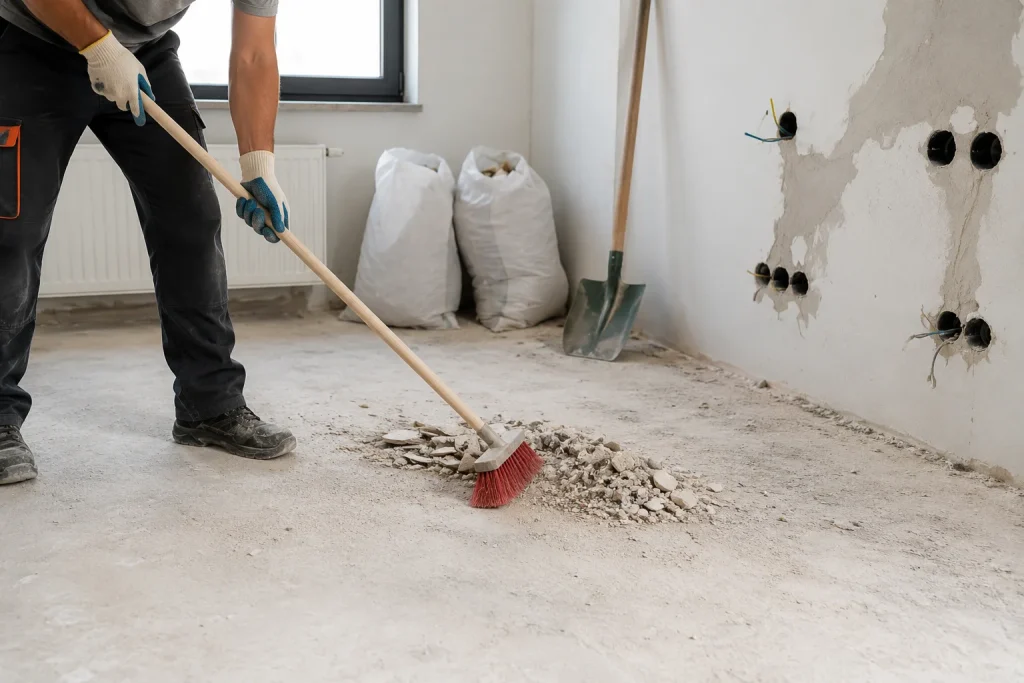
A new floor is just installed, like in a post-construction phase, where people have not started walking on it every day. The floor is still getting ready. It is either getting harder getting into place or waiting for someone to check it one time.
The cleanup crews are doing a lot of work at the time. They are removing dust from the building. They are also collecting debris. Moving equipment around. They are cleaning all the surfaces. If you do not take care of the flooring the flooring can become damaged very quickly.
Some common risks include:
- Scratches from tools and debris
- Stains from paint, adhesives, or chemicals
- Moisture damage
- Scuff marks from carts and ladders
- Dust trapped in floor surfaces or grout lines
Start With a Floor Inspection
Before cleaning begins, inspect the flooring carefully. Walk through the area carefully and inspect the flooring for any signs of damage or issues. Look for scratches, chips, cracks, loose sections, wet spots, and any remaining construction residue.
Taking photos is a smart step. These images create a record of the floor’s condition before cleanup starts. If damage appears later, it is easier to identify when it happened.
Remove Large Debris First
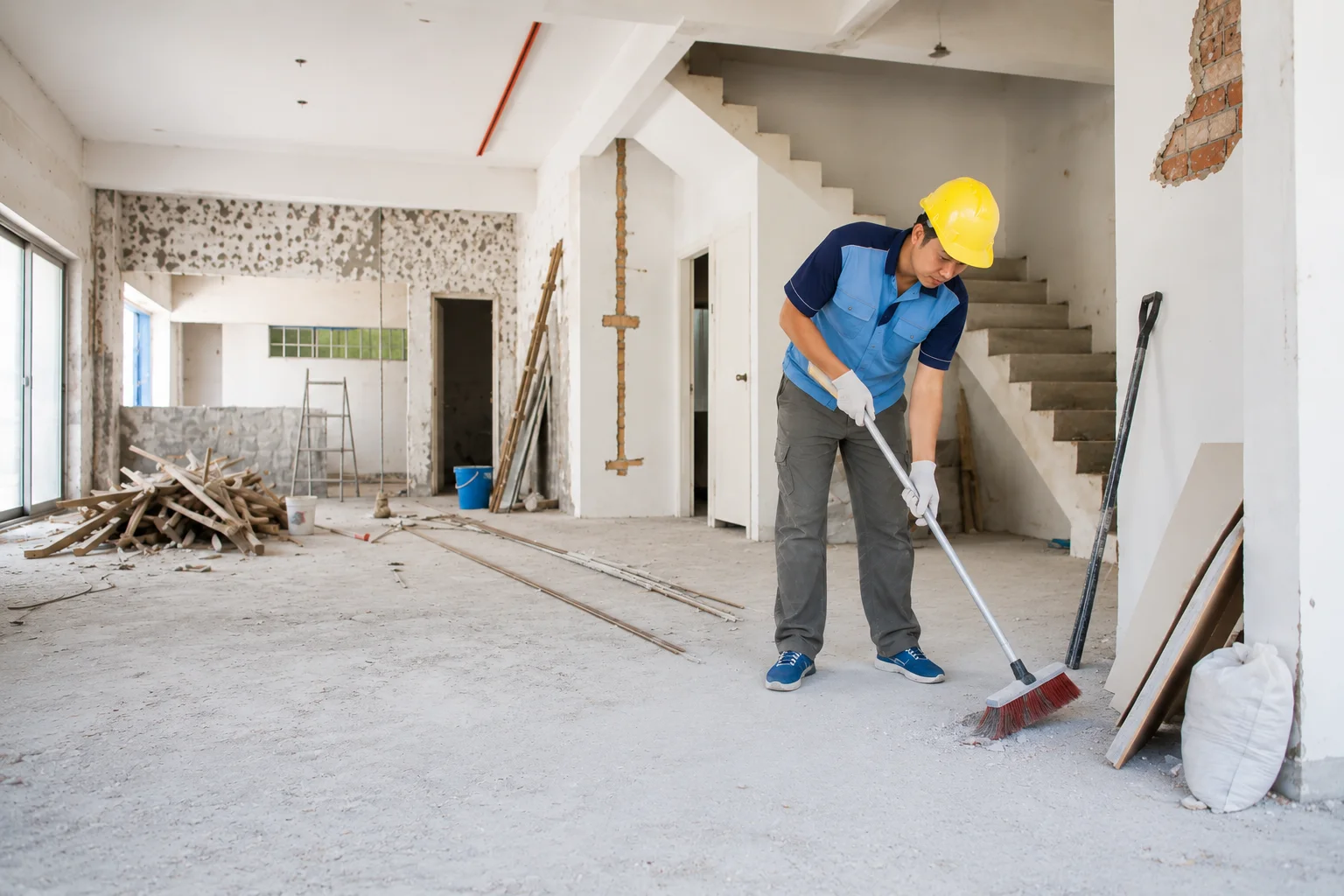
Flooring problems often occur when debris is pulled across the floor. Pick up all the things on the floor before you vacuum or mop it. The flooring has to be clear of things like nails, screws, wood scraps, drywall pieces, packaging materials, plastic wrap and metal fragments.
Use soft-bristle brooms or industrial vacuums designed for construction debris. Avoid pushing sharp materials across the floor. Even a small screw can leave visible scratches on certain flooring types.
Use Floor Protection Materials
If other work is still being completed in the building, protect the floor before cleanup begins.
Common protective materials include:
- Floor protection paper
- Cardboard sheets
- Ram board
- Temporary floor coverings
- Protective mats
These products help prevent damage from foot traffic and equipment movement.
Know the Flooring Type Before Cleaning
Not every floor should be cleaned the same way. Using the wrong product or method can cause permanent damage.
Hardwood Flooring
Hardwood floors get damaged by moisture easily. While cleaning them use a microfiber dust mop to get rid of dust and dirt. A vacuum cleaner can also be used with an attachment. This will help prevent the floors from getting scratched.
If paint splatters are present, do not scrape aggressively. Use manufacturer-approved cleaning methods.
Tile Flooring
The tile is really durable, but grout lines need attention. Be careful when you get rid of the dust from construction because the tiny pieces can get stuck in the grout lines. Use a brush. Do not hurt the surface of the tile. Then clean the tile and grout with some clean water for better look and appearance.
Vinyl Flooring
Vinyl floors can scratch more easily than many people expect. Avoid using abrasive pads, steel wool, or strong solvents during cleaning, as these can scratch or damage the surface of vinyl flooring. Use a damp mop and gentle floor cleaner designed for vinyl surfaces.
Laminate Flooring
Laminate flooring does not respond well to excess moisture. Water can seep into seams and cause swelling. Use dry dust removal methods to safely clear loose dirt from the surface. Follow this with lightly damp microfiber mops to gently clean without adding excess moisture.
Carpet
New carpet can trap a surprising amount of construction dust. Use a vacuum equipped with a HEPA filter. Several vacuum passes may be necessary to remove fine particles completely.
Control Dust Before It Reaches the Floor
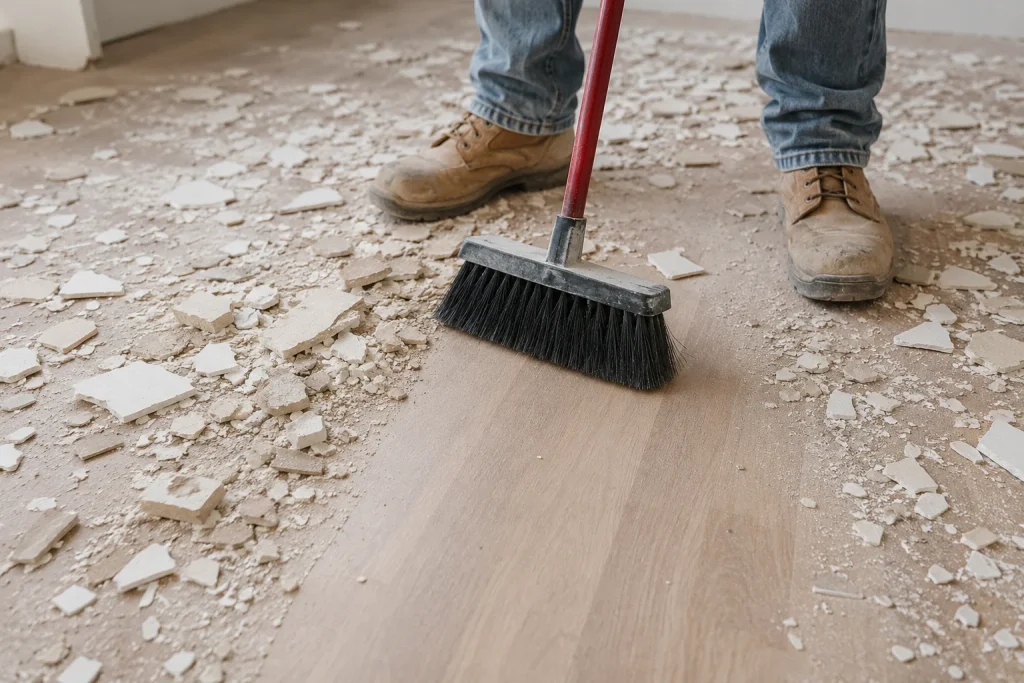
Construction dust is one of the biggest challenges during post-construction cleanup. Fine dust settles everywhere and can act like sandpaper when walked across.
To reduce dust:
- Clean high surfaces first
- Dust walls and fixtures before floors
- Use HEPA-filter vacuums
- Seal off active work areas
- Replace HVAC filters if needed
Working from top to bottom prevents dust from repeatedly falling onto cleaned flooring.
Use the Right Vacuum Equipment
Regular household vacuums are not always suitable for post-construction cleaning. Construction dust is finer and heavier than everyday dirt. A vacuum with a HEPA filtration system helps capture drywall dust, wood dust and fine construction particles. Choose attachments that will not scratch flooring surfaces.
Be Careful With Cleaning Chemicals
Many people assume stronger products clean better. That is not always true.
Some chemicals can dull finishes, discolor surfaces, damage protective coatings and leave residue. Always check the flooring manufacturer’s cleaning recommendations. When testing a new product, try it in a small hidden area first.
Protect Floors From Equipment Damage
Cleanup crews often move ladders, buckets, vacuums, carts and toolboxes. Without protection, these items can scratch or dent flooring. Use rubber wheels, protective pads, furniture sliders and soft coverings under equipment. Avoid dragging anything directly across the floor.
Watch Out for Moisture
Water is something that can really hurt our floors. We can spill water while cleaning up or when we’re washing the floors or using the machines that clean things. Water is a problem for our floors.
Pay close attention to floor seams, edges, expansion gaps and corners. Clean up water immediately. In cases where moisture has already seeped into seams or caused surface damage, a professional floor cleaning service can assess and restore the affected areas before permanent damage sets in.
Remove Paint and Adhesive Carefully
Paint spots and adhesive residue are much guaranteed after you have some construction work done. If you do not get them rid of it can make a bigger mess, than the paint spots and adhesive residue themselves.
Instead of using sharp tools use approved adhesive removers, follow manufacturer instructions, test products first and then work slowly. Replacing damaged flooring is usually far more expensive than taking extra time to remove residue properly.
Limit Foot Traffic During Cleanup
Fresh flooring benefits from reduced traffic whenever possible.
If multiple trades are still working on-site:
- Create designated walkways
- Use floor runners
- Restrict access to finished rooms
- Post protective signage
The fewer people walking on the floor, the lower the risk of accidental damage.
Perform a Final Detailed Inspection
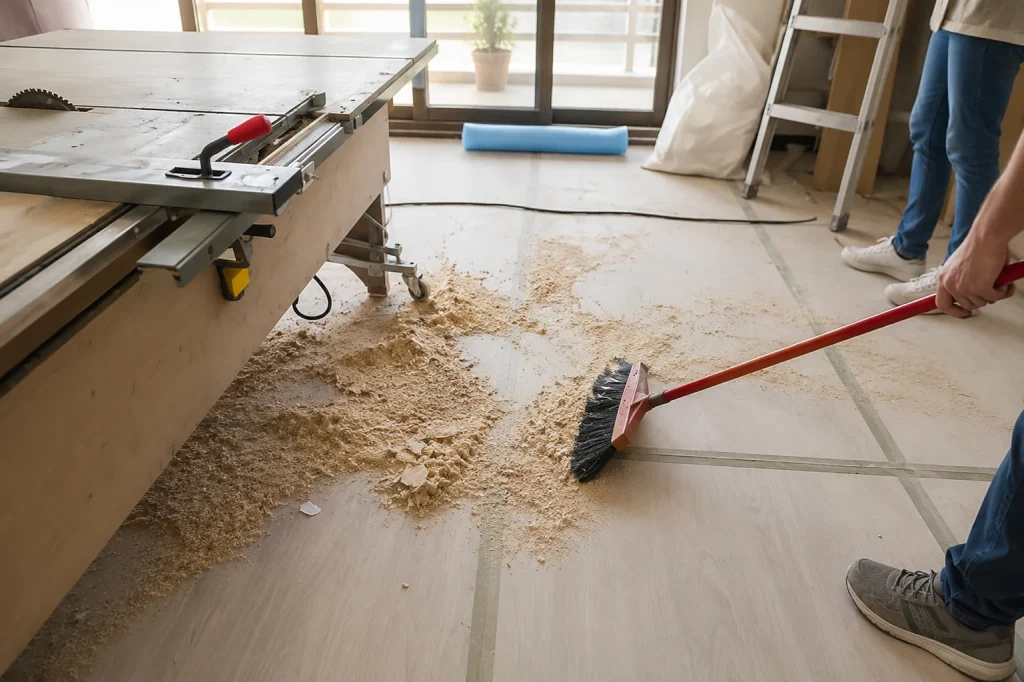
After cleanup is complete, conduct one last inspection. Look for scratches, stains, residue, dust buildup and moisture issues. Check the floor from different angles because some marks are only visible under certain lighting conditions. If the overall space still needs a thorough final pass, bringing in a deep cleaning team ensures every surface, corner and fixture is move-in ready.
Common Mistakes to Avoid
Several mistakes repeatedly cause damage during post-construction cleanup.
These include:
- Using abrasive scrub pads
- Dragging heavy equipment
- Applying too much water
- Skipping dust removal before mopping
- Using unapproved cleaning chemicals
- Leaving debris on the floor during cleanup
- Ignoring manufacturer care instructions
Avoiding these simple errors can protect the appearance of the floor for years.
When Professional Cleanup Makes Sense
Large construction projects often leave behind significant amounts of dust and debris. Cleaners after construction know how to deal with various kinds of floors. Construction cleaning crews utilize tools and the appropriate way to clean each floor type.
They also do their best to safeguard the floors from harm. What do professional post construction cleaning teams do? This can be especially valuable for commercial buildings, high-end residential properties, and projects with specialty flooring.
Final Thoughts
New flooring deserves careful attention during post-construction cleanup. A floor that looks perfect at installation can quickly develop scratches, stains, and wear if cleanup is rushed or handled incorrectly.
The safest approach is to remove debris carefully, control dust, use appropriate cleaning products, and protect the surface from equipment and foot traffic. Small precautions taken during cleanup can prevent costly repairs later. For more delicate or large-scale jobs, Brye A+ Cleaning can help ensure the surface is handled properly without risking damage.
With the right process, your new flooring can maintain its appearance from day one and continue looking its best long after construction is complete.
FAQ’s
What is post-construction flooring cleanup?
Post-construction flooring cleanup is the process of removing dust, debris, paint spots, and residue after building or renovation work is completed. It focuses on making new floors safe, clean, and ready for use without causing damage.
Why does new flooring need special protection during cleanup?
New flooring is still vulnerable because it has not been fully settled into daily use. Dust, sharp debris, heavy equipment, and moisture can easily cause scratches, stains, or long-term damage if not handled carefully.
What is the biggest risk to new floors during cleanup?
The biggest risks include construction dust acting like sandpaper, moisture damage, scratches from tools or equipment, and stains from paint or adhesives left behind after work.
How do you safely clean floors after construction?
Start by removing large debris, then use HEPA-filter vacuums to control fine dust. Follow flooring-specific cleaning methods and avoid excess water, harsh chemicals, or abrasive tools that can damage the surface.
Can all flooring types be cleaned the same way?
No. Hardwood, tile, vinyl, laminate, and carpet each require different cleaning methods. Using the wrong technique can lead to permanent damage such as swelling, dullness, or surface scratches.
How can dust be controlled during post-construction cleanup?
Dust can be controlled by cleaning from top to bottom, sealing work areas, using HEPA vacuums, and replacing HVAC filters. This prevents dust from resettling on freshly cleaned floors.
When should professional post-construction cleaning be considered?
Professional cleaning is recommended for large projects, commercial spaces, or homes with delicate flooring. Experts use proper tools and techniques to avoid damage and ensure a deep, safe clean.