


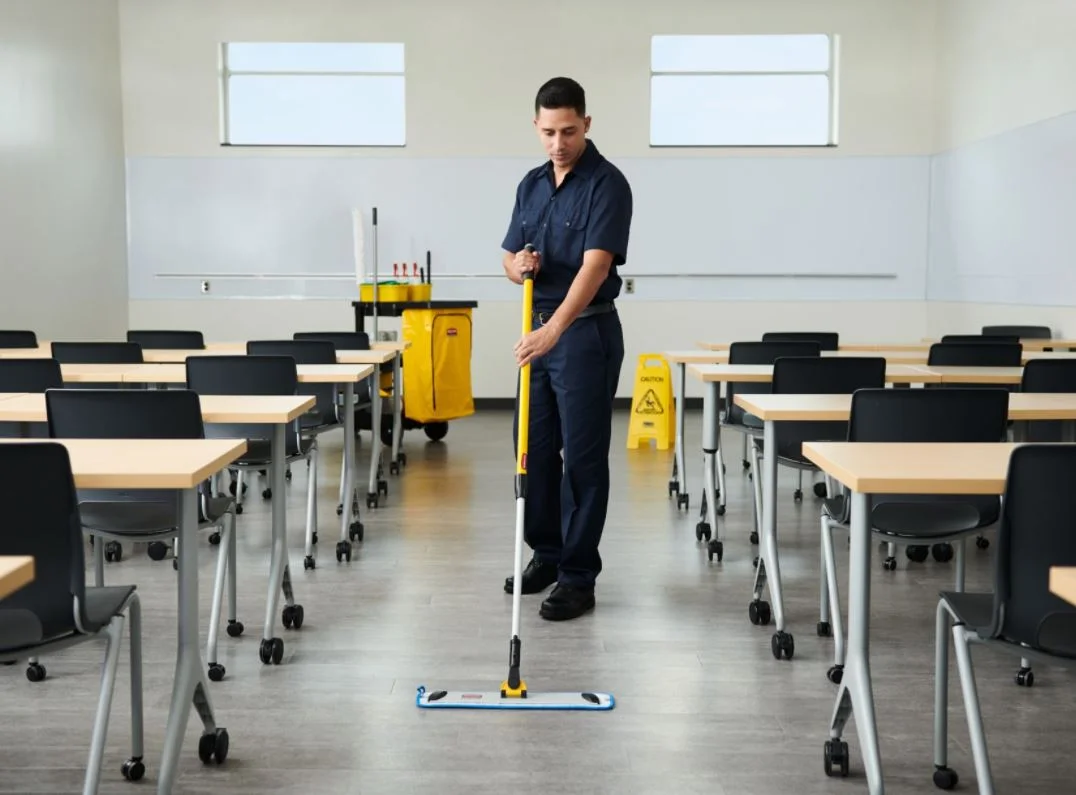
Cleanliness in education facilities is no longer as simple as that of appearances but of paramount importance in student health, staff safety, compliance with regulations and the overall performance of learning. Schools, colleges and universities are among the places where high levels of foot traffic, surfaces touching and close contact conditions are witnessed and may easily turn into a breeding place of bacteria, viruses and allergens unless well taken care.
Professional school cleaning services are crucial to curbing absenteeism, enhancing indoor air quality, and providing a safe and friendly atmosphere both to the students and to the teachers. As the concern on infection prevention and the overall health among people increases, it is expected that educational institutions will be more cleaned than at any point in time.
This is an extensive manual on cleaning standards in schools, safety, and effective best practices in school. This article will assist you whether you are running an apartment-sized school or a university campus to realize what successful school cleaning entails and how it can be successfully achieved.
Understanding School Cleaning Services
School cleaning services refer to specialized janitorial services that are developed with a focus on schools. These services consider the special needs of schools such as child safety, regulatory compliance, high-surface disinfection, and infection control unlike the case of standard commercial cleaning.
A comprehensive school cleaning program typically includes:
- Daily classroom and hallway cleaning
- Restroom sanitation and disinfection
- Cafeteria and food-service area cleaning
- Trash removal and recycling
- Floor care, including sweeping, mopping, and burnishing
- Periodic deep cleaning and seasonal maintenance
Professional providers customize cleaning schedules to match school hours, occupancy levels, and specific facility needs.
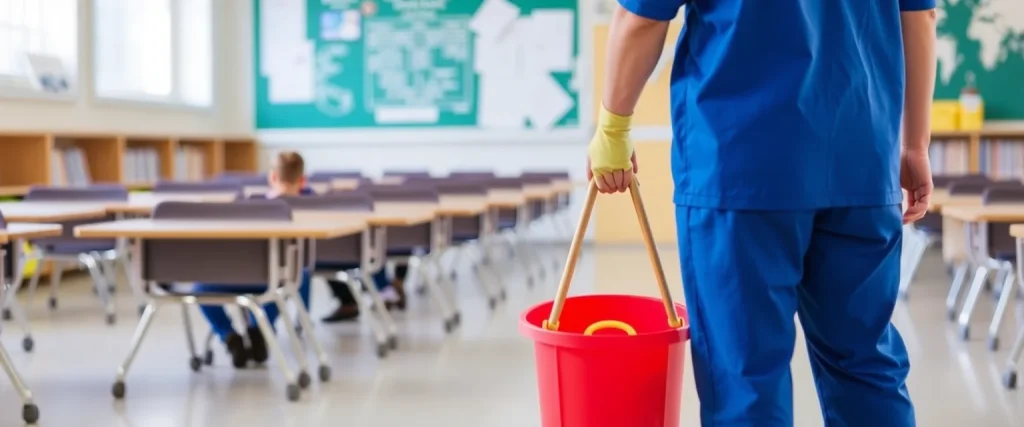
Types of Educational Facilities Covered
School cleaning services refer to specialized janitorial services that are developed with a focus on schools. These services consider the special needs of schools such as child safety, regulatory compliance, high-surface disinfection, and infection control unlike the case of standard commercial cleaning.
School cleaning services apply to a wide range of educational institutions, including:
- Public and private elementary schools
- Middle schools and high schools
- Colleges and universities
- Preschools and daycare centers
- Vocational schools and training institutes
- Educational support centers and libraries
The facilities are all unique in terms of their age groups, usage habits, and safety factors, which necessitate a unique approach to each one. Professional gym cleaning services and other specialized cleaning solutions can be incorporated into specific programs that guarantee safety, tidiness, and conformity across different learning settings by considering the layout and usage patterns of every facility.
Cleaning Standards for Educational Facilities
Regularity of cleaning and prevention of infections are ensured through the educational cleaning standards which are influenced by the health authorities, industry standards, and local regulations. The schools will be asked to act by the CDC guidelines on disinfecting high-contact areas and handling sickness outbreaks, and OSHA guidelines will take care of the safety of workers and handling chemicals.
The standards of ISSA or APPA are also followed by many institutions, and they regulate the frequency of cleaning, the methods of its inspection, and the quality assurance procedures.
- CDC recommendations for infection prevention
- OSHA safety standards for chemical handling and worker protection
- State and municipal health department regulations
- Local school district cleaning policies
By following recognized cleaning standards, schools reduce health risks, improve indoor air quality, and create a safer learning environment that meets both regulatory expectations and community trust.
Failure to meet these standards can result in health violations, increased illness outbreaks, and potential legal consequences.
Industry Best-Practice Cleaning Standards
Leading school cleaning services follow industry benchmarks established by organizations such as ISSA and APPA. Best-practice standards emphasize:
- Frequency-based cleaning for high-traffic areas
- Zone-based cleaning to prevent cross-contamination
- Color-coded tools for restrooms, classrooms, and food areas
- Documented quality control and inspection processes
These standards ensure consistency, accountability, and measurable cleanliness outcomes.
Safety Protocols in School Cleaning Operations
School cleaning services include safety measures, which help to secure students, staff, and cleaning personnel. Clearly labeled and child-safe disinfectants are used by cleaning teams and reduce the exposure to harsh chemicals, yet provide the efficient sanitation effect. Goods are stored well and implemented as manufacturer guidelines such as the dwell times of disinfection.
Accidents and disruptions are prevented by using wet floor signs, controlled access during cleaning, and scheduled after-hours work. When dealing with chemicals or biohazards, personal protection equipment like masks and gloves is used. Also, reliable cleaning services have rigorous staff screening and background checks and training programs based on school-specific safety needs. The protocols are designed to guarantee that cleaning activities do not cause harm but improve safety and thus can be used in the sensitive learning institutions.
Classrooms and Lecture Halls
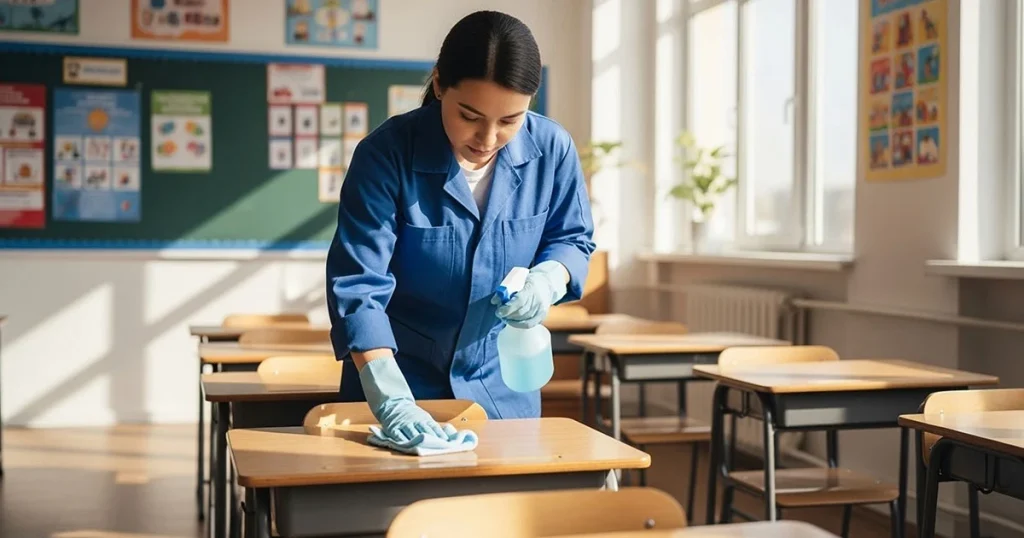
Education facilities are centered on classrooms which have to be thoroughly and daily cleaned in order to avoid germs spread. The desks, chairs and common tables are cleaned with disinfectants regularly and the high touch areas like door handles, light switches and storage tanks are also cleaned.
Classrooms contain numerous high-touch surfaces that require daily attention. Effective cleaning includes:
- Disinfecting desks, chairs, and tables
- Sanitizing whiteboards, podiums, and shared equipment
- Cleaning door handles, light switches, and railings
- Maintaining floors to prevent dust and allergens
By maintaining clean and organized classrooms, schools create an environment that supports focus, reduces absenteeism, and reinforces a culture of care and responsibility among students.
Restrooms and Locker Rooms
Locker rooms and restrooms are also among the highest-risk areas in educational establishments and require stringent sanitation measures. Professional educational facility cleaning focuses on the daily deep disinfection of toilets, sinks, urinals, showers, and locker surfaces. Floors and walls are thoroughly cleaned to help prevent moisture buildup, mold, and unpleasant odors, creating a safer and more hygienic environment for students and staff.
Restrooms and locker rooms present the highest sanitation risks in schools. Best practices include:
- Daily deep disinfection of toilets, sinks, and fixtures
- Odor control and moisture management
- Restocking soap, paper towels, and hygiene supplies
- Preventing mold and bacteria growth
Consistent restroom sanitation not only protects health but also improves student comfort and compliance with public health standards, reducing complaints and inspection issues.
Cafeterias and Food Preparation Areas
Strict cleaning procedures need to be done in school cafeterias to comply with the health rules and regulations. Tables, chairs, and serving areas are also cleaned after each of the meal periods to avoid cross-contamination. Kitchens, cooking utensils and storage areas are washed and sprayed with antiseptics on a regular basis and rubbish cleared immediately to prevent pests.
- Sanitizing tables, trays, and seating
- Degreasing kitchen surfaces and equipment
- Proper waste disposal and pest prevention
- Compliance with local food safety regulations
Clean cafeterias protect students from foodborne illnesses, support nutrition programs, and maintain compliance with health department inspections.
Libraries, Labs, and Computer Rooms
Specialized learning spaces require careful, detail-oriented cleaning methods. Libraries need dust control to protect books and improve air quality, while maintaining quiet and minimal disruption. Laboratories require sanitation protocols that prevent chemical or biological contamination without interfering with equipment.
Specialized spaces require careful cleaning methods:
- Dust control using microfiber and HEPA vacuums
- Electronics-safe cleaning for computers and devices
- Lab sanitation protocols to prevent contamination
- Quiet, low-disruption cleaning schedules
By applying appropriate techniques for each specialized area, school cleaning services preserve valuable assets while ensuring hygienic, functional learning spaces.
Gymnasiums and Sports Facilities
Athletic facilities experience heavy daily use and require targeted cleaning strategies. Gym floors must be cleaned and maintained according to surface type to prevent damage and slip hazards. Exercise equipment is disinfected regularly to control bacteria and odors.
Gyms and athletic areas require targeted cleaning due to heavy use. Services include:
- Floor care for hardwood and rubber surfaces
- Equipment disinfection
- Locker and shower sanitation
- Mold and bacteria prevention
Clean athletic facilities support student health, reduce injury risks, and encourage participation in physical activities, making them an essential component of school cleaning programs.
Best Practices for Daily School Cleaning
A structured and consistent daily cleaning routine is essential for maintaining safe, healthy, and welcoming educational environments. Well-organized school cleaning practices reduce the spread of illness, improve indoor air quality, and support better learning outcomes for students and staff alike.
Focus on High-Touch Surface Disinfection
A best-practice approach begins with prioritizing high-touch surfaces such as door handles, desks, light switches, handrails, lockers, and shared learning tools. These areas should be disinfected multiple times throughout the day using EPA-approved cleaning products to limit the spread of germs and viruses. Classrooms, restrooms, cafeterias, and nurse offices require special attention due to heavy foot traffic and frequent contact.
These include:
- Desks and chairs
- Door handles and push plates
- Light switches and elevator buttons
- Handrails, lockers, and shared equipment
Using EPA-approved disinfectants helps eliminate harmful bacteria and viruses while remaining safe for student use.
Maintain Daily Floor Cleaning Standards
Daily floor care is equally important. Sweeping and vacuuming remove dirt, dust, and allergens, while damp mopping with appropriate disinfectants helps maintain safer walking surfaces. Entrance areas should be cleaned regularly to prevent dirt from being tracked into classrooms and hallways.
- Sweep or vacuum classrooms and hallways daily
- Damp mop with approved disinfectants
- Pay special attention to entrances to prevent dirt tracking
Consistent floor care improves safety and preserves flooring materials.
Prioritize Restroom Cleaning and Hygiene
Restroom sanitation is another essential focus. Toilets, sinks, partitions, and dispensers must be cleaned and disinfected daily, with supplies restocked to promote proper hand hygiene. Waste removal should occur multiple times per day to prevent odors and bacterial buildup.
- Clean and disinfect toilets, sinks, partitions, and dispensers
- Restock soap, paper towels, and toilet paper
- Remove trash multiple times daily to control odors
Use Trained Staff and Standardized Procedures
Restroom sanitation is another essential focus. Toilets, sinks, partitions, and dispensers must be cleaned and disinfected daily, with supplies restocked to promote proper hand hygiene. Waste removal should occur multiple times per day to prevent odors and bacterial buildup.
Efficient daily school cleaning relies on:
- Trained cleaning personnel
- Color-coded tools to prevent cross-use
- Proper PPE and safety protocols
- Clear cleaning checklists and logs
Routine inspections and quality checks ensure consistent results and compliance with health guidelines.
Choosing the Right School Cleaning Services Provider
Selecting the right cleaning services provider for a school or educational facility is a critical decision that directly impacts student health, staff safety, and overall campus hygiene. A professional provider should go beyond basic janitorial tasks and deliver consistent, compliant, and education-focused cleaning solutions.
Look for Experience in Educational Environments
A qualified provider should have demonstrated experience working in educational environments. Schools present complex cleaning challenges due to constant foot traffic, shared surfaces, cafeterias, gyms, laboratories, and restrooms. Providers with education-sector experience understand how to maintain sanitation without disrupting learning activities and know how to adapt cleaning routines to different age groups and facility layouts.
The right provider should have proven experience with:
- K–12 schools, colleges, and universities
- Child-safe cleaning protocols
- High-occupancy and high-touch environments
Experienced school cleaning providers understand classroom layouts, cafeteria sanitation needs, and the importance of minimizing disruption during school hours.
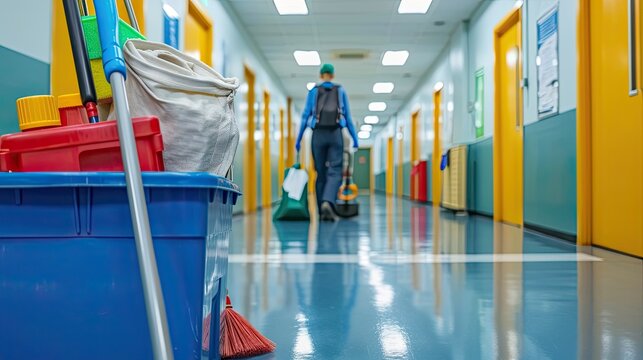
Verify Safety Standards and Compliance
Safety and compliance should be a top priority when evaluating a cleaning partner. The right provider follows strict health and safety standards by using child-safe, EPA-approved disinfectants and adhering to local health department regulations. Trained staff should follow proper infection-control protocols and use appropriate personal protective equipment.
Clear documentation of safety training, certifications, and compliance practices is a strong indicator of a reliable provider. A reliable school cleaning services provider must follow strict safety and regulatory guidelines, including:
- Use of EPA-approved and child-safe disinfectants
- Compliance with local health department standards
- OSHA-trained staff and proper PPE usage
Ask for documentation that confirms safety training, certifications, and quality control processes.
Evaluate Staffing, Training, and Reliability
Staffing quality and consistency are equally important. A dependable school cleaning services provider invests in background-checked personnel and provides ongoing training in hygiene, disinfection, and contamination prevention.
Consistent staffing ensures that daily cleaning standards are met without service gaps, even during absences or peak seasons. This reliability helps maintain a stable and hygienic environment throughout the academic year. Choose a provider that offers:
- Background-checked and professionally trained cleaners
- Ongoing training in infection control and disinfection
- Backup staffing plans to avoid service gaps
Reliable staffing ensures daily cleaning standards are met without interruptions.
Assess Customization and Scheduling Flexibility
Customization and scheduling flexibility also play a critical role in effective school cleaning. Every educational facility operates on a unique schedule, and cleaning services should align with class hours, extracurricular activities, and special events. The right provider offers tailored cleaning plans for classrooms, administrative offices, restrooms, cafeterias, and athletic areas, while adjusting service times to avoid interference with students and staff.
Review Communication and Quality Assurance
Strong communication and quality assurance practices distinguish professional providers from average ones. A trustworthy cleaning partner maintains clear service agreements, conducts regular inspections, and monitors performance to ensure standards are consistently met.
Responsive communication allows schools to address concerns quickly and request adjustments as needs change, reinforcing long-term accountability. A provider that values transparency and proactive communication delivers long-term reliability and peace of mind.
Consider Long-Term Value, Not Just Cost
While cost is always a consideration, long-term value should guide the final decision. The right school cleaning services provider delivers more than surface-level cleanliness. Consistent, high-quality cleaning supports healthier classrooms, reduces the spread of illness, and creates a safe, welcoming environment for learning. A quality school cleaning services provider delivers:
- Consistent hygiene standards
- Reduced absenteeism due to illness
- A healthier, more welcoming learning environment
Choosing the right partner ensures your educational facility remains clean, safe, and compliant every day.
Conclusion
Professional school cleaning services are essential for maintaining safe, compliant, and healthy educational facilities. By following established standards, prioritizing safety, and implementing best practices, schools can protect students, staff, and visitors while fostering an environment where learning thrives.
Investing in proper cleaning is not just about cleanliness, it is about supporting education, well-being, and long-term facility success.