


Operating a commercial kitchen in New York City is not only about making delicious food but also about keeping a space that is highly observant of the health and safety requirements in the country. The city of New York has fire and sanitation codes that are under the jurisdiction of the NYC Department of Health and Mental Hygiene (DOHMH). This implements specific regulations concerning commercial kitchen cleaning and maintenance that are aimed at protecting the health of people and preventing contamination of food and its spread by the fire and sanitation codes of the city. Lack of adherence to these standards may attract fines, penalties, or even temporary closure.
In this blog, we will discuss all the information operators should know about a clean commercial kitchen in New York City. These include daily cleaning activities and food contact surface regulations, but also exhaust hood cleaning and disinfection and health inspection preparation. Whether you are a veteran restaurateur or opening your first kitchen, this guide will dissolve the important rules that you should pay attention to.
The Core Purpose of NYC Health Department Cleaning Guidelines
The main purpose of NYC commercial kitchen health codes is straightforward, they do not want the customers to contract any food-borne diseases and contamination. To achieve this, the DOHMH implements regulations regarding the cleaning of the kitchens, the frequency of cleaning of the surfaces, and the quality required of food contact areas.
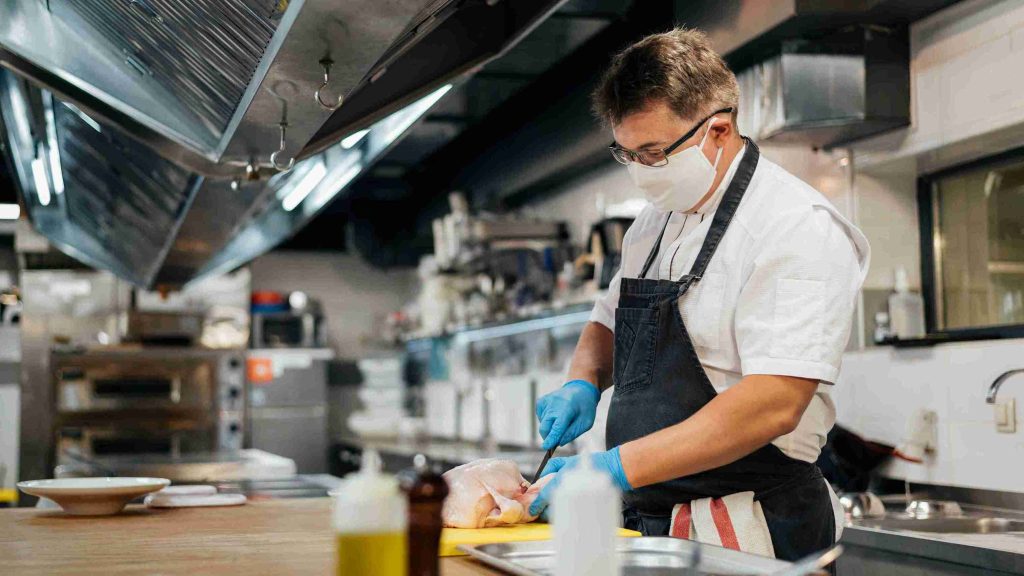
A city as thickly populated as New York does not have the choice of sanitation; it has to be done. The periodic cleaning of the chain of contamination will ensure that bacteria, mold, and other dangers do not flourish in food-handling areas. The practices are helpful in safeguarding the health of the people and minimizing the chances of outbreaks and cross-contamination.
Daily Cleaning and Sanitizing: What the Health Code Requires
The routine cleaning and sanitizing of both food and non-food surfaces is one of the most basic needs in the NYC health guidelines.
Food Contact Surfaces
The NYC Health Code requires that food contact surfaces such as countertops, cutting boards, utensils, and equipment also be cleaned and sanitized to appear free of visible dirt, grease, and food residues. They are surfaces that should be cleaned:
- Prior to consumption of any other form of raw food (e.g., changing the consumption of raw chicken to vegetables)
- Whenever a person takes the step of changing to ready-to-eat food, each time.
- At any time when contamination may have taken place (e.g., spills or splatters during prep).
This is mandatory because it prevents bacteria and allergens from being transferred between different types of foods and between the preparation area and the dining table.
Non-Food Contact Surfaces
Floors, walls, ceilings, and non-food contact equipment must also be consistently cleaned to prevent dust, dirt, and grease buildup, which can ultimately make its way into food prep zones or attract pests.
Dishwashing and Ware Washing: The Three-Compartment Sink Standard
According to NYC health regulations, dishes, utensils, pots, pans, and other ware must be properly dishwashed and sanitized. The NYC Health Code requires operators to treat manually washed items with either a dishwasher or a three-compartment sink system.
Here’s how a three-compartment sink must be used:
- Wash dishes in hot, soapy water in the first sink
- Rinse them in clean hot water in the second sink
- Sanitize dishes in the third sink using either very hot water (170°F or higher) or a chemical sanitizer
This process ensures utensils and equipment are free of bacteria before they’re used again in food preparation or service.
Construction and Maintenance Standards That Support Cleaning
The health code of the City does not merely say what should be cleaned but also the way the facilities should be designed in such a way that they can be cleaned.
NYC regulations require:
- Smooth, non-absorbent walls, ceilings, and floors that are easy to wash and sanitize
- Equipment installed flush with or elevated above the floor to enable cleaning on all sides
- Food contact surfaces are free of rust, cracks, or rough spots that could harbor bacteria.
For kitchen designers and operators, this means choosing food-grade materials and installing equipment in a way that doesn’t trap dirt or impede routine cleaning.
Hood and Exhaust System Cleaning: Fire Safety Meets Health Compliance
One of the most critical and heavily enforced cleaning requirements in NYC commercial kitchens concerns the exhaust hood and ductwork system. Grease buildup in these systems is not only a sanitation issue, it’s a major fire hazard.
New York City adheres to the national NFPA 96 fire code but with added strict local requirements:
- Hood and duct cleaning is required at least every three months for most commercial kitchens
- Grease filters must be cleaned daily or as required
- Grease deeper than a 1/8-inch accumulation must trigger immediate cleaning
- Upper-row ducts may follow a six-month schedule depending on the kitchen layout
Only FDNY-approved companies can perform full system cleanings, and each cleaning must be documented with a compliance tag affixed to the hood system. Failure to do so can result in violations during fire and health inspections.
Grease Traps and Floor Drain Maintenance
While not always as visibly dramatic as hood cleaning, maintaining grease traps and floor drains is essential and closely watched by both health and sanitation inspectors. Regular cleaning prevents:
- Clogged drains
- Pest infestations
- Foul odors
- Backup issues that can spread contaminants throughout your kitchen
Grease trap cleaning schedules vary depending on usage, but regular service is required to prevent backups and contamination of public sewers, a violation that can trigger both DOHMH and Department of Sanitation penalties.
Staff Hygiene and Handwashing: A Mandatory Component of Sanitation
Clean kitchens require clean hands. NYC health guidelines emphasize proper staff hygiene as a foundational cleaning practice. Key elements include
- Mandatory frequent handwashing before handling food, after breaks, and after contact with raw ingredients
- Use of disposable gloves when preparing ready-to-eat items
- Handwashing facilities that are conveniently located and stocked with soap and hot water
Turnstile or bar sink stations should not be used for dishes, they must be dedicated to handwashing to avoid cross-contamination. Ensuring staff follow these rules is as critical as keeping equipment clean.
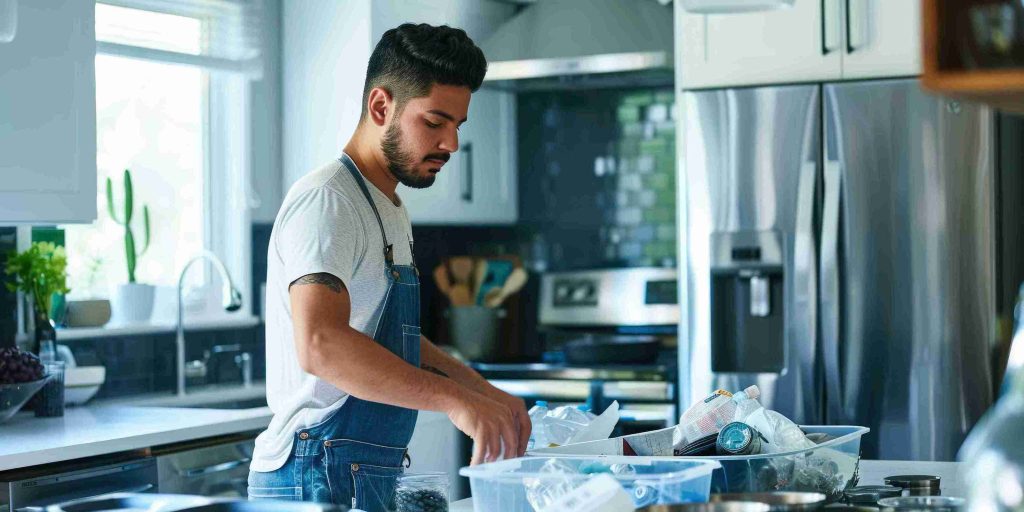
Preventing Cross-Contamination Through Effective Cleaning Practices
The NYC health code prohibits direct bare-hand contact with food that isn’t going to be cooked unless safe barriers (like gloves) are used. Proper cleaning helps enforce this rule by eliminating contaminant pathways.
Additionally:
- Food should be stored at least six inches above the floor to allow thorough floor cleaning beneath storage
- Raw and ready-to-eat foods must be separated and cleaned to avoid cross-contamination issues
These specifics underscore how cleaning protocols intersect with food safety practices to protect customers.
Waste Management and Pest Prevention
Maintaining a commercial kitchen also means keeping waste under control. NYC health standards require:
- Proper disposal of food and garbage in vermin-proof containers
- Frequent removal of trash to prevent pest attraction
- Maintain adjacent area cleanliness, including sidewalks and loading zones, to avoid sanitation violations
Sanitation violations can result in fines, point deductions under the letter grade system, or forced closure until compliance is restored.
Hiring Professionals to Stay Compliant
Given the complexity and frequency of required cleaning, many operators hire professionals who specialize in NYC commercial kitchen cleaning services. These providers:
- Understand NY health codes and FDNY regulations
- Use commercial-grade products and equipment
- Provide documentation to support inspections
- Protect your business from fines and closures
A professional service is often the most reliable way to ensure continual compliance and peace of mind.
Conclusion
Cleaning is not a choice in New York City, United States—it is a legal mandate enforced by strict NYC Health Department codes, and proper commercial kitchen cleaning is essential to protect your customers, your staff, and your business reputation while keeping your kitchen inspection-ready. From daily dishwashing and laundry to safe garbage handling and effective pest control, every part of your cleaning routine supports food safety and smooth operations across New York, helping you avoid fines, violations, or shutdowns. Businesses rely on trusted local experts to meet these requirements, and BryeA Plus Cleaning delivers professional, compliant commercial kitchen cleaning based on NYC standards; for service, call 929-600-6351, email general@bryeapluscleaning.com, or visit our New York location.