
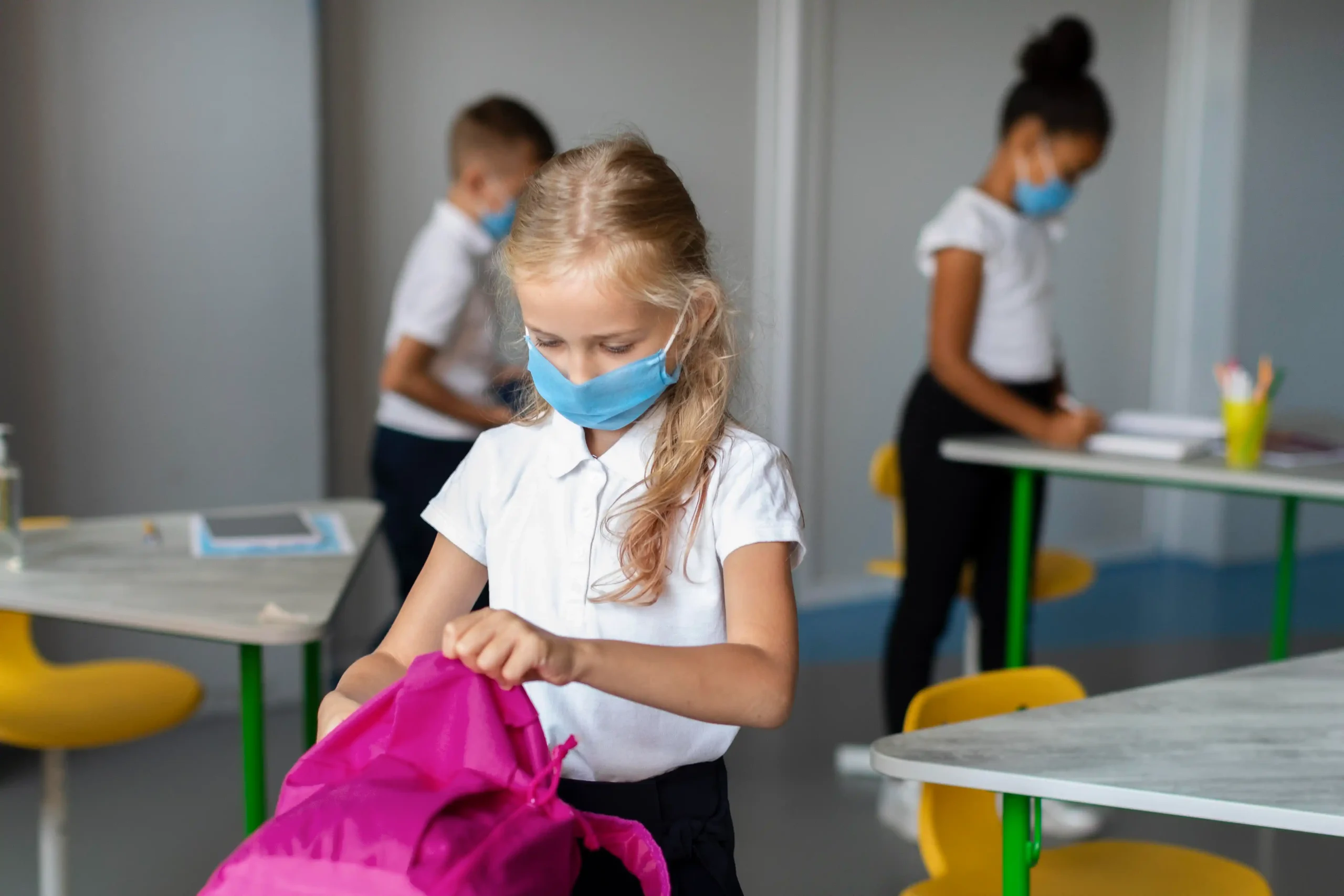

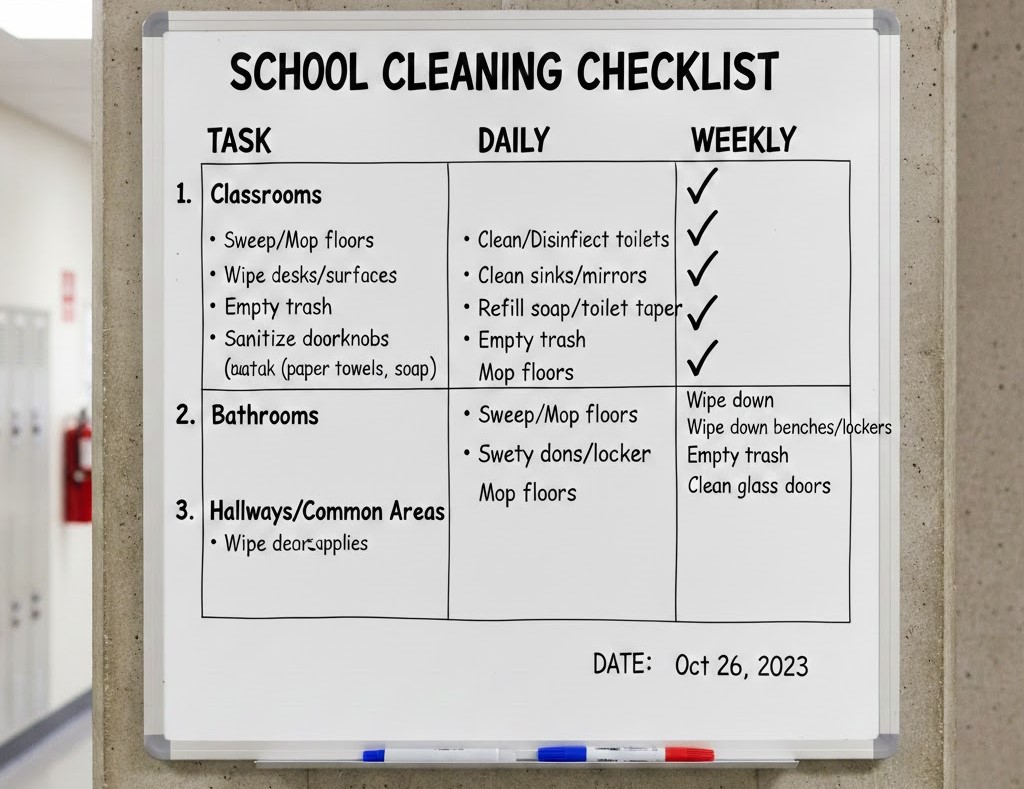
The issue of maintaining schools clean is not only about appearance, but also health, safety and grades. As hygiene standard is bound to increase, particularly following the recent world health incidents, schools are dedicating more resources on professional cleaning than ever. But what is the amount that they should pay to schools in terms of cleaning services? How do factors affect pricing and how can decision makers ensure that they obtain the best value of their budgets?
In this all-inclusive guide we will unravel all the elements of school cleaning service pricing, starting with the fundamentals of pricing framework to the variables that may cause a service to be costlier than the other. This article will make you well-informed enough to make a good decision, be it a small elementary school or a large campus.
Why Understanding School Cleaning Costs Matters
School cleaning services represent a significant operational expense for districts and private institutions alike. According to industry estimates, annual custodial and cleaning services can range from tens of thousands to hundreds of thousands of dollars per school, depending on size and services included.
Why is it important to understand these costs?
- Budget accuracy: School administrators must plan accurate budgets without last-minute surprises.
- Comparing bids: Understanding cost drivers helps evaluate proposals from cleaning companies.
- Ensuring quality: Low bids aren’t always better if they compromise service quality.
- Health & safety compliance: Adequate cleaning directly impacts student and staff health.
Transparent pricing also fosters better partnerships between schools and cleaning providers, when both parties understand cost components, they can work together more effectively.
How School Cleaning Services Are Priced

Most professional cleaning service providers price their offerings based on a few standard models:
1. Per Square Foot Pricing
This is one of the most common models. The service provider calculates the total square footage of the school (classrooms, hallways, restrooms, common areas, gymnasiums, etc.) and multiplies by a fixed rate.
For example:
Total area: 50,000 sq. ft.
Rate: $0.08 per sq. ft.
Estimated monthly cost = $4,000
Per square foot pricing is especially useful for large facilities because it scales predictably. However, it’s important to clarify what tasks are included in that base rate.
2. Hourly Rates
Some contracts are based on hourly labor costs. The cleaning company estimates how many labor hours will be needed per visit, multiplied by a labor rate.
For example:
Custodial team: 3 staff
Hours per visit: 5
Hourly rate per staff: $25
Total per visit = 3 x 5 x $25 = $375
Hourly pricing can be flexible but may fluctuate if tasks require more time than initially projected.
3. Flat Monthly Fees
Another common model is a flat monthly fee for a defined scope of work. This approach provides predictable monthly costs but requires precise definitions of what services are included, and how many visits per week.
4. Task-Based or Tiered Pricing
Especially useful for schools with variable needs, this model breaks out services into tiers, standard cleaning vs. deep cleaning, for example, with specific prices for each tier or task.
Understanding these models helps administrators choose the one that best matches their mission, space, and budget strategy.
Key Factors That Influence School Cleaning Costs

Let’s break down the major variables that influence the cost of school cleaning services.
1. Size of the Facility
The most obvious cost driver is the total square footage. Larger schools require more time, labor, and supplies and thus cost more.
- Larger facilities: higher overall cleaning expenses
- Smaller schools: lower total costs but often higher per sq. ft. rates due to fixed operational costs
In addition to raw area, the layout—such as multiple floors, wide hallways, or segmented buildings—can also affect cleaning time and efficiency.
2. Frequency of Cleaning
The number of visits per week strongly affects pricing. Most schools run cleaning services on a schedule—typically daily during school days, but frequency may vary by area:
- Daily cleaning: classrooms, restrooms, hallways
- Multiple daily visits: cafeterias and high-touch areas
- Weekly tasks: floor maintenance, dusting vents
- Monthly/deep cleaning: carpet extraction, window washing
Schools that require 7-day coverage or after-hours shifts will naturally pay more than those with only nightly cleaning.
3. Scope of Work: Standard vs. Specialized Tasks
Not all cleaning services are created equal. Broader scopes include deep-cleaning tasks that go beyond basic surface cleaning:
Standard services typically include:
- Trash removal
- Dusting and surface wiping
- Vacuuming and mopping
- Restroom sanitizing
Specialized or advanced services may include:
- Floor stripping, sealing, and waxing
- Carpet shampooing and deep extraction
- Window cleaning
- Disinfection services (especially during outbreaks)
- High-dusting in hard-to-reach areas
Specialized services require more time, specialized equipment, or trained staff, all of which add to cost.
4. Type of Flooring and Surfaces
Different surface types require different methods and equipment:
- Hardwood or vinyl floors often need stripping, buffing, and waxing
- Carpeted areas may require steam cleaning or extraction
- Tile grout may need special cleaning agents for deep cleaning
Surface complexity adds labor time and material cost, impacting the overall service price.
5. Number of Restrooms and Fixtures
Restrooms are some of the most labor-intensive cleaning areas due to frequent sanitizing needs.
More restrooms, more stalls, and more high-touch fixtures (soap dispensers, faucets, hand dryers) increase cleaning time and supplies, raising the total cost.
6. Level of Disinfection Services
After widespread health concerns like flu seasons or pandemic events, many schools have adopted comprehensive disinfection protocols.
Disinfection services may include:
- Electrostatic spraying
- Hospital-grade disinfectants
- Scheduled deep sanitation of high-touch areas
This level of service is more expensive than routine cleaning due to higher chemical costs and specialized labor.
7. Staffing Costs and Labor Market

A significant portion of cleaning service cost is labor, and labor rates vary by region, market conditions, and service level.
Schools in high-cost areas (urban centers or regions with higher wages) may pay more for the same services than in lower-cost areas.
Additionally:
- Competitive wage requirements
- Overtime pay for weekend/late shifts
- Training and certification costs
All influence the final price tag.
8. Equipment and Supply Quality
Professional service providers invest in quality equipment and environmentally safe products. These investments increase efficiency, but also factor into service pricing.
High-end tools like automatic scrubbers, HEPA-filtered vacuums, and electrostatic sprayers may result in better results but higher costs.
9. Contract Length and Terms
Many cleaning companies offer pricing incentives for multi-year contracts.
Pros of longer contracts:
- More predictable pricing
- Built-in service guarantees
- Lower annual increases
However, shorter agreements may be better for schools in transitional or uncertain budgets.
10. Special Compliance or Certification Requirements
Schools that insist on additional compliance standards, such as Green Seal certification, LEED requirements, or OSHA-aligned procedures, may pay a premium for service providers who meet those standards.
Sustainability, eco-friendly products, and health-focused cleaning all influence cost.
Typical Price Ranges for School Cleaning Services
While prices can vary based on many factors discussed above, here are general industry ranges to help frame expectations:
| Service Model | Typical Cost | Notes |
| Per Sq. Ft. (Daily) | $0.05 – $0.15 | Depends on frequency & services |
| Hourly Labor | $20 – $45 per hour | Per staff member |
| Deep Cleaning | $500 – $3,000+ per visit | Varies with tasks |
| Disinfection Services | $0.10 – $0.30 per sq. ft. | Higher with electrostatic tools |
These numbers are estimates, regional rates and scope details can significantly change them.
How To Get Accurate School Cleaning Quotes
Here are practical steps schools can take to secure dependable and transparent pricing from cleaning service providers:
1. Define Your Scope Clearly
Create a detailed list of cleaning tasks you expect—daily, weekly, monthly, and seasonal. Clearly outlining responsibilities such as restroom sanitation, floor care, and disinfection prevents misunderstandings and ensures vendors submit accurate, comparable quotes.
2. Request Site Walk-Throughs
Invite providers to inspect the facility in person. Walk-throughs allow cleaners to assess square footage, layout, flooring types, restrooms, and high-traffic areas, leading to more precise pricing than estimates based solely on floor plans or assumptions.
3. Ask for Itemized Pricing
Request quotes that break down costs by service type, square footage, and cleaning frequency. Itemized pricing makes it easier to compare bids, identify cost drivers, and adjust services without compromising essential cleaning needs.
4. Check References and Certifications
Confirm the company has experience cleaning educational facilities and ask for references from similar schools. Industry certifications such as ISSA CIMS or Green Clean standards can indicate higher service quality and help explain pricing differences.
5. Negotiate Contract Terms
Discuss contract length, service flexibility, and escalation clauses. Longer-term agreements may offer lower monthly rates, while flexible terms can help schools adapt services to changing budgets or enrollment levels.
Final Thoughts
Understanding the cost of school cleaning services is about more than just numbers. It’s about ensuring a safe, healthy, and productive environment for students, teachers, and staff. By knowing the key factors that affect pricing, from facility size to disinfection protocols, school administrators can make informed decisions that balance quality with budget realities.
Whether you’re preparing your next budget cycle, comparing vendor bids, or exploring specialized cleaning services, make sure to ask the right questions and understand what you’re paying for. After all, a well-cleaned school is a well-functioning school.