
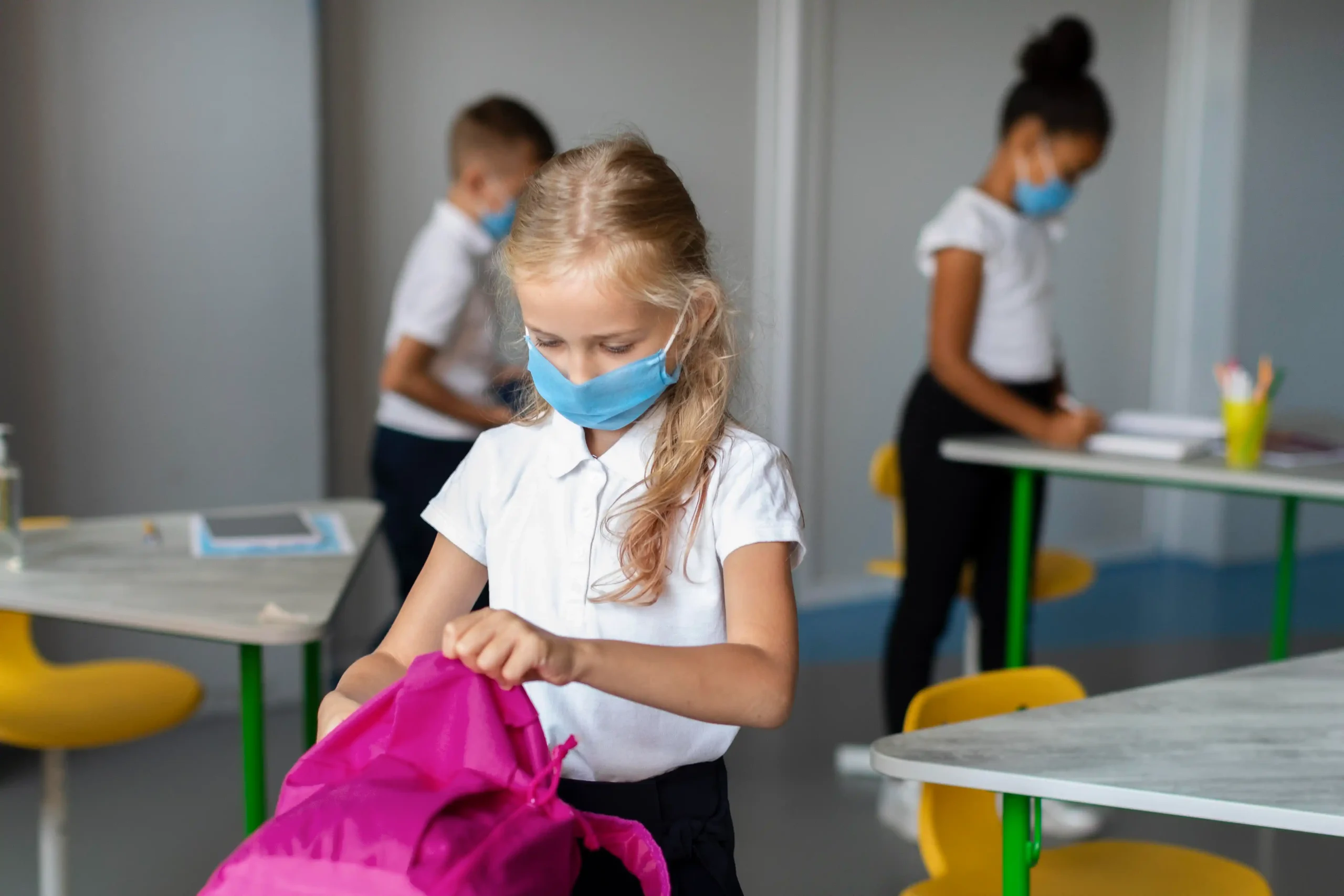
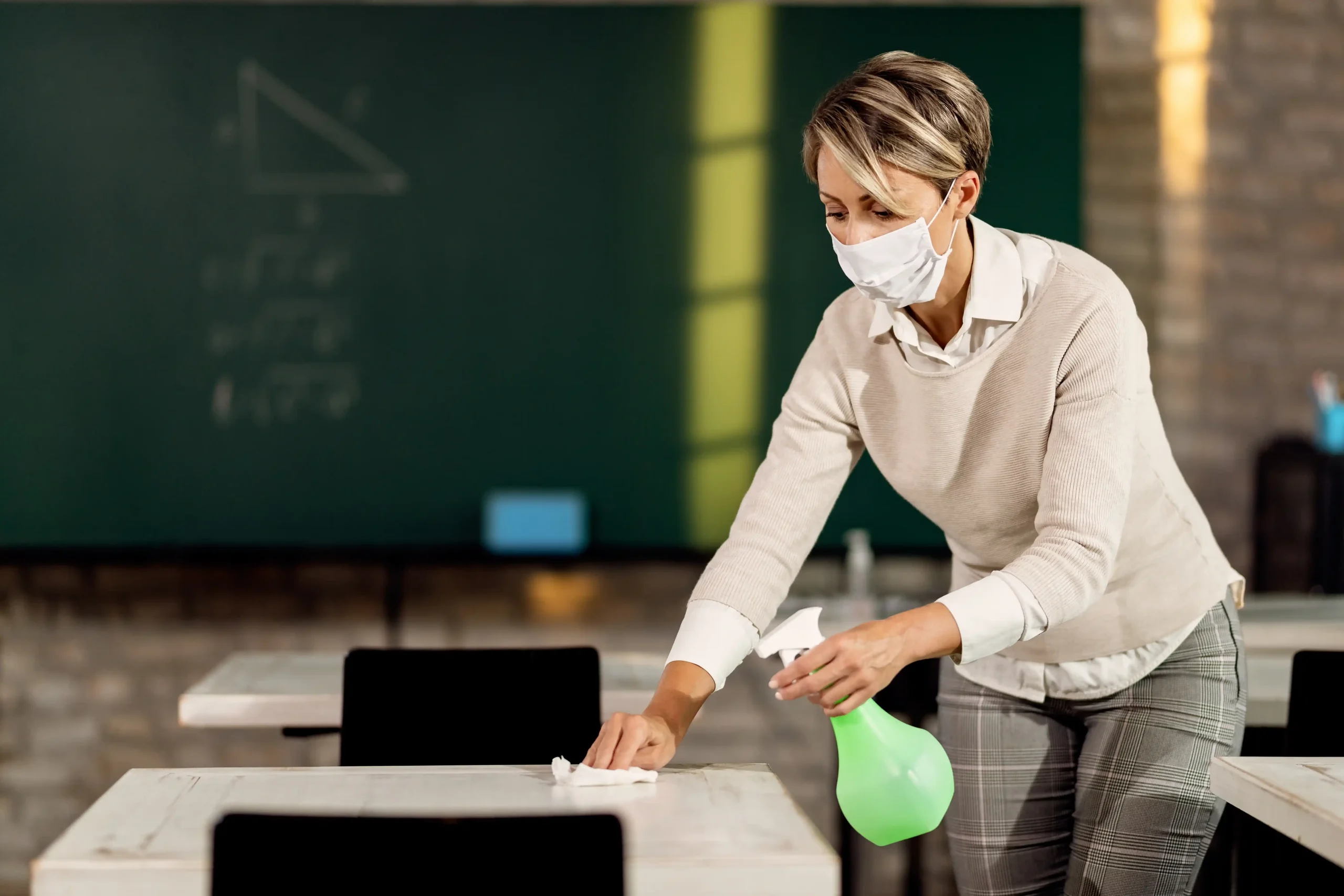
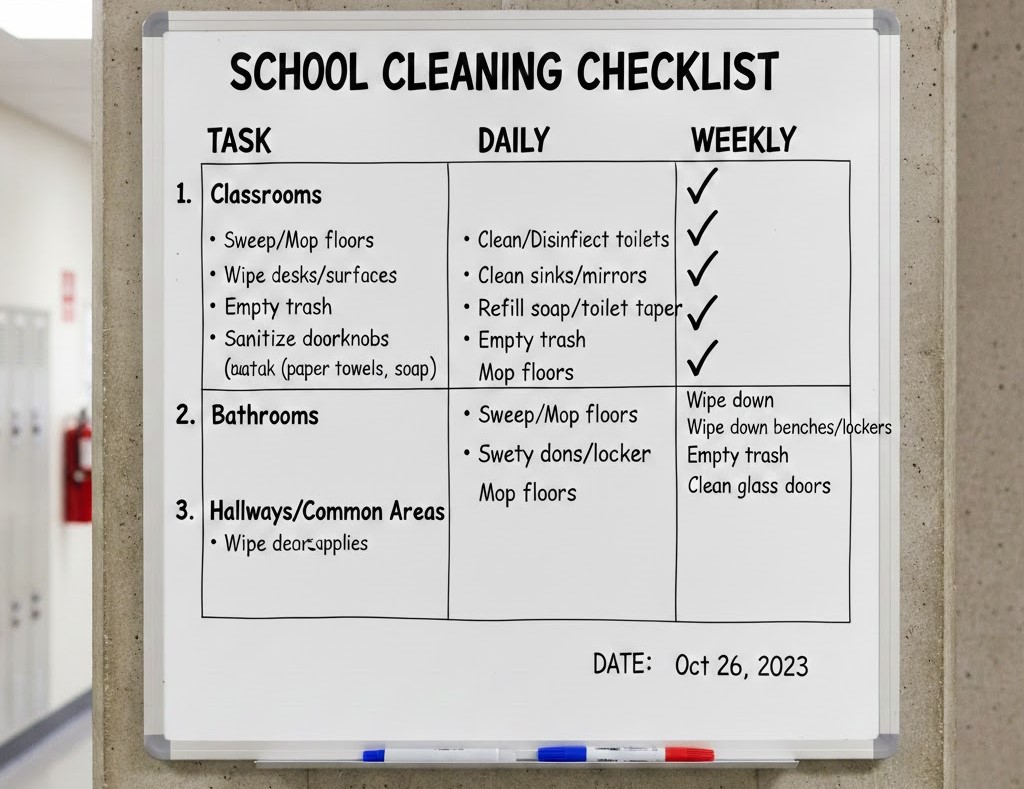
A clean and healthy environment is not merely a matter of aesthetics in schools, but it is also a critical factor in the safety and well-being of students and employees, as well as their school performance. Cafeterias, classrooms, restrooms, halls, and playgrounds are the areas with lots of traffic and germs, allergens, and contaminants may be deposited within a short period. Failure to observe the best cleaning practices may inadvertently expose the students to illnesses, injuries, and other long-term health-related problems.
In this expansive blog post, we are going to discuss the most prevalent cleaning errors in schools and why these errors are of importance and what can be done to ensure that schools adopt safer and more effective cleaning policies.
Using the Wrong Cleaning Products
Most school custodial departments are using general or cheap cleaning materials without much knowledge about their quality. There are certain products that can appear to be disinfectants yet they are only cleaners. Others can be filled with injurious chemicals that are hazardous to the health.
With poor disinfectants, there is no proper sanitization of surfaces. Common germs such as influenza, RSV, norovirus and even COVID-19 may be kept on the surface hours or days unless they are disinfected, adding to the chances of students becoming ill.
Chemicals that are harsh such as ammonia or bleach when misused can also lead to respiratory distress, asthma, and fumes when combined with additional products.
What Schools Should Do
- Assess and choose EPA-registered disinfectants specifically labeled for killing viruses and bacteria.
- Avoid products with strong VOCs (volatile organic compounds).
- Train cleaners on proper dilution, contact time, and safe use.
Not Cleaning High-Touch Surfaces Often Enough
These include door handles, light switches, desks, keyboards, water fountain buttons, handrails, and restroom fixtures , surfaces that students and staff touch frequently throughout the day.
Pathogens spread easily from surface to person, especially in crowded environments. If these surfaces aren’t cleaned and disinfected frequently, germs can circulate continuously within the school population.
Best Practices
- Create a schedule that prioritizes high-touch areas multiple times per day.
- Use color-coded cloths to avoid cross-contamination between areas (e.g., red for bathrooms, blue for classrooms).
- Incorporate microfiber cloths that trap more particles than traditional cloths.
Ignoring Soft Surfaces and Upholstery
Soft surfaces trap dust, pollen, food crumbs, skin cells, and moisture , creating an ideal environment for bacteria, mold spores, and allergens. Over time, these contaminants are released back into the air through daily movement, contributing to poor indoor air quality. Students with asthma, allergies, or other respiratory conditions are especially vulnerable.
The Risk
Ignoring these surfaces can lead to increased coughing, sneezing, headaches, and allergy flare-ups among students and staff. To reduce these risks, schools should vacuum carpets daily using HEPA-filtered equipment, schedule periodic deep cleaning or steam cleaning, and replace heavily worn or stained soft furnishings. Where possible, selecting washable or antimicrobial materials can significantly improve long-term hygiene and safety.
Smart Solutions
- Schedule regular carpet vacuuming with HEPA-filtered vacuums.
- Employ steam cleaning or professional deep cleaning for upholstery.
- Choose washable and antimicrobial fabrics where possible.
Relying Only on Custodial Staff
One of the most common misconceptions in schools is that cleanliness is solely the responsibility of custodial teams. While custodians play a critical role, expecting them to manage all cleaning needs without support is unrealistic and ineffective , especially in large, high-traffic school environments.
The Risk
Classrooms, labs, and shared learning spaces are used continuously throughout the day. Spills, shared supplies, food crumbs, and high-touch surfaces can become contaminated within minutes. If teachers and students are not involved in maintaining basic cleanliness, germs can spread rapidly between scheduled cleaning cycles.
Collaborative Culture
- Educate teachers on daily routines like wiping desks or keyboards.
- Encourage students to take responsibility for their personal and shared spaces.
- Provide accessible cleaning supplies like disinfecting wipes in classrooms.
Improper Restroom Cleaning
School restrooms are among the most critical , and challenging , areas to clean properly. Due to frequent use, moisture, and organic waste, restrooms can quickly become breeding grounds for harmful bacteria and viruses if cleaning is rushed or inconsistent.
Common Mistakes
A common mistake is focusing only on visible areas while neglecting hidden but high-risk zones such as toilet bases, stall locks, door handles, sinks, drains, and grout lines. Another frequent issue is failing to allow disinfectants enough contact time to effectively kill pathogens. Simply wiping and moving on does not provide adequate sanitation.
Effective Restroom Protocol
- Use disinfectants effective against fecal bacteria and viruses.
- Clean from least to most contaminated areas (e.g., mirrors first, toilets last).
- Ensure fixtures and corners get attention, not just visible surfaces.
Improper Mopping Techniques
Floors in schools, especially in cafeterias, hallways, gyms, and locker rooms, experience constant foot traffic. While mopping is a routine task, incorrect techniques can actually spread contamination rather than eliminate it.
The Risk
When mops are repeatedly dipped into contaminated water, bacteria and grime are redistributed across the floor surface. This is particularly dangerous in areas where food is served or where students sit or play on the floor.
Correct Approach
- Employ a two-bucket system (one for clean solution, one for rinsing).
- Use microfiber mop heads that trap more dirt.
- Change mop water frequently, especially in high-traffic zones.
Overlooking Indoor Air Quality
Cleaning is often viewed as a surface-level task, but indoor air quality plays a major role in student health and safety. Poor air quality can result from dust buildup, mold growth, chemical fumes, and inadequate ventilation , all of which are common in school environments if not properly addressed.
Common Oversights
Using strong-smelling cleaning products without proper ventilation can irritate airways and trigger asthma attacks. Dirty HVAC filters and neglected vents allow dust, allergens, and microbes to circulate continuously throughout classrooms and hallways. Damp areas such as basements, locker rooms, and bathrooms are particularly vulnerable to mold growth.
Improved Practices
- Use HEPA or high-efficiency HVAC filters changed as recommended.
- Ventilate spaces during and after cleaning.
- Schedule professional air quality assessments periodically.
Inadequate Training for Cleaning Staff
Even the best cleaning products and equipment are ineffective if custodial staff are not properly trained. In many schools, cleaners are expected to learn on the job, leading to inconsistent practices and avoidable safety risks.
Consequences
Without proper training, staff may misuse chemicals, fail to follow correct dilution ratios, skip required disinfectant dwell times, or overlook high-risk areas. This not only reduces cleaning effectiveness but can also expose students and staff to chemical hazards or cross-contamination.
Training Priorities
Scheduled training on:
- Disinfectant selection and use
- PPE (personal protective equipment)
- Cleaning protocols for different areas
- Documentation of procedures and checklists
- Ongoing assessments and feedback
Using One-Size-Fits-All Cleaning Schedules
Many schools rely on fixed cleaning schedules that do not account for variations in room usage, seasonal illnesses, or special events. This “one-size-fits-all” approach often results in over-cleaning low-risk areas while under-cleaning high-risk zones.
The Risk
For example, a gymnasium, cafeteria, or nurse’s office requires far more frequent and intensive cleaning than a rarely used storage room. During flu season or outbreaks, cleaning frequency should increase to reduce transmission risks , yet many schedules remain unchanged.
Flexible, Risk-Based Scheduling
- Use data on room usage to adjust frequency.
- Increase cleaning during illness outbreaks.
- Identify hotspots , lounges, cafeterias, gyms , for targeted focus.
Allowing Clutter to Accumulate
Clutter is often dismissed as a minor organizational issue, but in school environments, it can directly interfere with effective cleaning and student safety. Stacks of books, unused furniture, boxes, and personal items create obstacles that prevent custodial staff from thoroughly cleaning floors, corners, and surfaces.
High-Clutter Areas
When clutter blocks access, dust, allergens, and bacteria accumulate in hidden areas. These spaces can also become pest-friendly, attracting insects or rodents. In classrooms, cluttered walkways increase the risk of trips and falls, particularly for younger students.
Solutions
- Encourage regular decluttering routines.
- Provide adequate storage to avoid piles on floors.
- Combine cleaning with organizational habits.
Neglecting Kitchen and Cafeteria Safety
Cafeterias and food preparation areas require a higher level of sanitation than most other school spaces, yet they are often cleaned using the same routines as general areas. This is a serious mistake that can lead to foodborne illness outbreaks.
Common Issues
Common issues include improper sanitization of tables, inadequate cleaning of serving lines, grease buildup on floors, and overlooked food-contact surfaces. Shared trays, utensils, and condiment stations can easily become contamination points if not disinfected properly.
Best Practices
- Use food-safe sanitizers where required.
- Follow cleaning schedules for kitchen appliances and hoods.
- Train staff on cross-contamination prevention.
Mismanaging Waste Disposal
Waste management plays a critical role in school hygiene, yet it is often poorly planned or inconsistently executed. Overflowing trash bins, infrequent waste removal, and improper disposal practices create unsanitary conditions that attract pests and spread bacteria.
Too Few Bins?
Classrooms and hallways without enough trash receptacles encourage students to leave waste on desks or floors. In cafeterias, delayed waste removal can lead to strong odors and increased risk of contamination.
Right Approach
- Place ample bins throughout key areas.
- Empty waste daily, more often in cafeterias.
- Separate recycling and compost where possible.
Conclusion
School cleaning is not just about appearances, it’s about health, safety, and creating environments where students can thrive. Too many common mistakes, from poor product choices to irregular cleaning routines, can have real-world effects that extend far beyond dust on a shelf. By understanding these risks and implementing thoughtful, data-driven cleaning strategies, schools can protect students, reduce illness, and foster a safer learning environment.
If you’re a school administrator, facility manager, or concerned parent, now is the time to evaluate your cleaning practices and make improvements that matter. The health of students and staff depends on it.